Focus · Cultural journalism, photography and identity
Francesco Arena. Other Identity, the unmissable column questioning our public face
A focus on Francesco Arena and Exibart’s weekly Other Identity column: photography, video and performance as tools for reading identity, self-representation and public space.
In brief
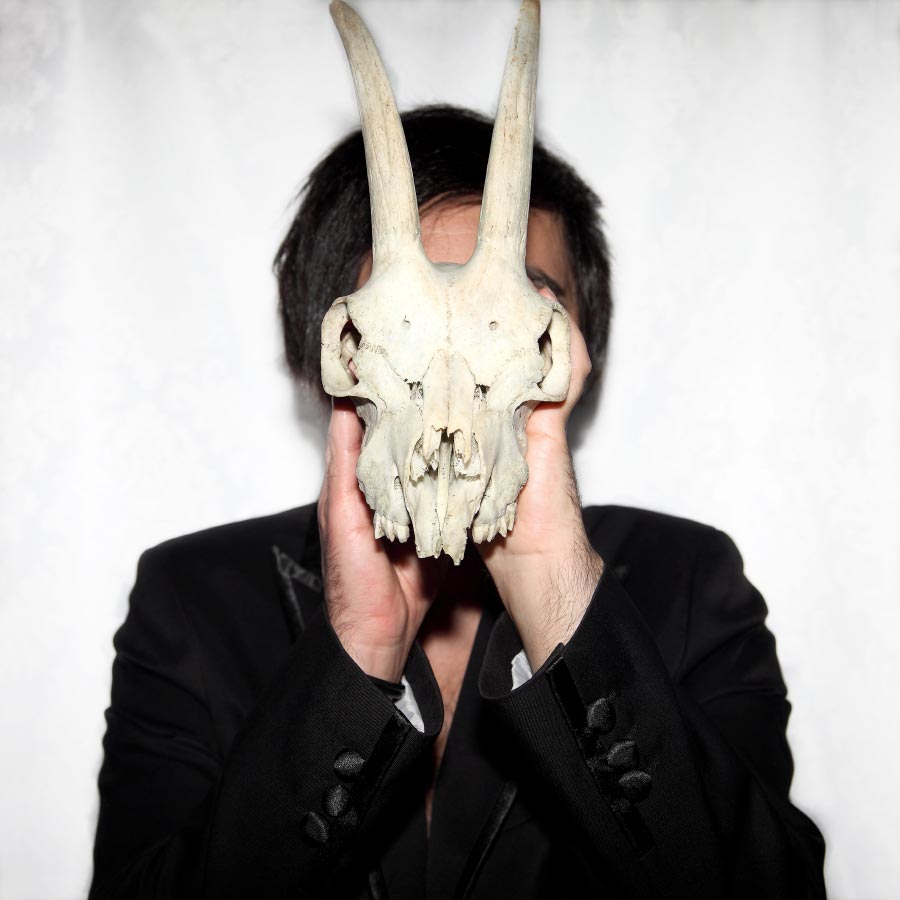
Francesco Arena is a cultural journalist and Exibart contributor, as well as a visual artist, photographer, performer, filmmaker and independent curator. His Other Identity project became a weekly column that is building a living archive of the ways contemporary art represents the body, identity and public image.
Calling it a sequence of interviews would miss the point. The questions return while the answers diverge, turning the format into a comparative tool for reading the changing grammar of contemporary visual culture.

From curatorial project to weekly column
Other Identity began in 2016 as a multimedia project and exhibition programme conceived by Arena. In 2022 its concept became a weekly Exibart column devoted to artists working across photography, video and performance.
The author archive now extends across dozens of pages. That duration matters: rather than capturing a passing trend, the project accumulates voices and images until they form a searchable map of the present.

A questionnaire that protects difference
Arena starts from a precise observation: private life is constantly becoming public, and each gesture contributes to a representation of the self. His questions address social appearance, gender identity, authorship and the relationship between intimate life and public action.
Repeating the questions does not standardise the artists. It makes their differences visible, turning the column into a collective montage that works as both cultural journalism and curatorial device.

Robert Gligorov: identity as performance
In issue 210, Robert Gligorov retraces his path from photography, cinema and entertainment to a practice devoted to self-analysis. The artist’s body and image move between aesthetic seduction, rejection of cliché and the darker territories of the psyche.
For Gligorov, art cannot be reduced to an object or a repeated signature. It is an intention that organises languages, technologies and perception, while allowing the author’s identity to change from one project to the next.

Stefano Gervasoni: the subject as first viewer
In issue 209, Stefano Gervasoni describes photography rooted in kinky and BDSM culture, made with people who share that world rather than models asked to perform an external role.
This reverses a familiar dynamic in erotic photography. Masks, symbols and behaviour need not conceal identity: they can help reveal an intimate self that does not conform to social expectations.

Massimo Scognamiglio: between display and secrecy
In issue 211, Massimo Scognamiglio defines his work through the tension between public and private. Photography and painting move through mouths, punk, rooms, landscapes and portraiture to observe what an image reveals while trying to protect it.
Punk Aristocracy, Tales of Humans in a Landscape and the Rooms cycle use different languages to ask the same question: how much of identity do we choose, and how much is reshaped by social expectation, memory and the desire to appear?
Why the column is an archive worth following
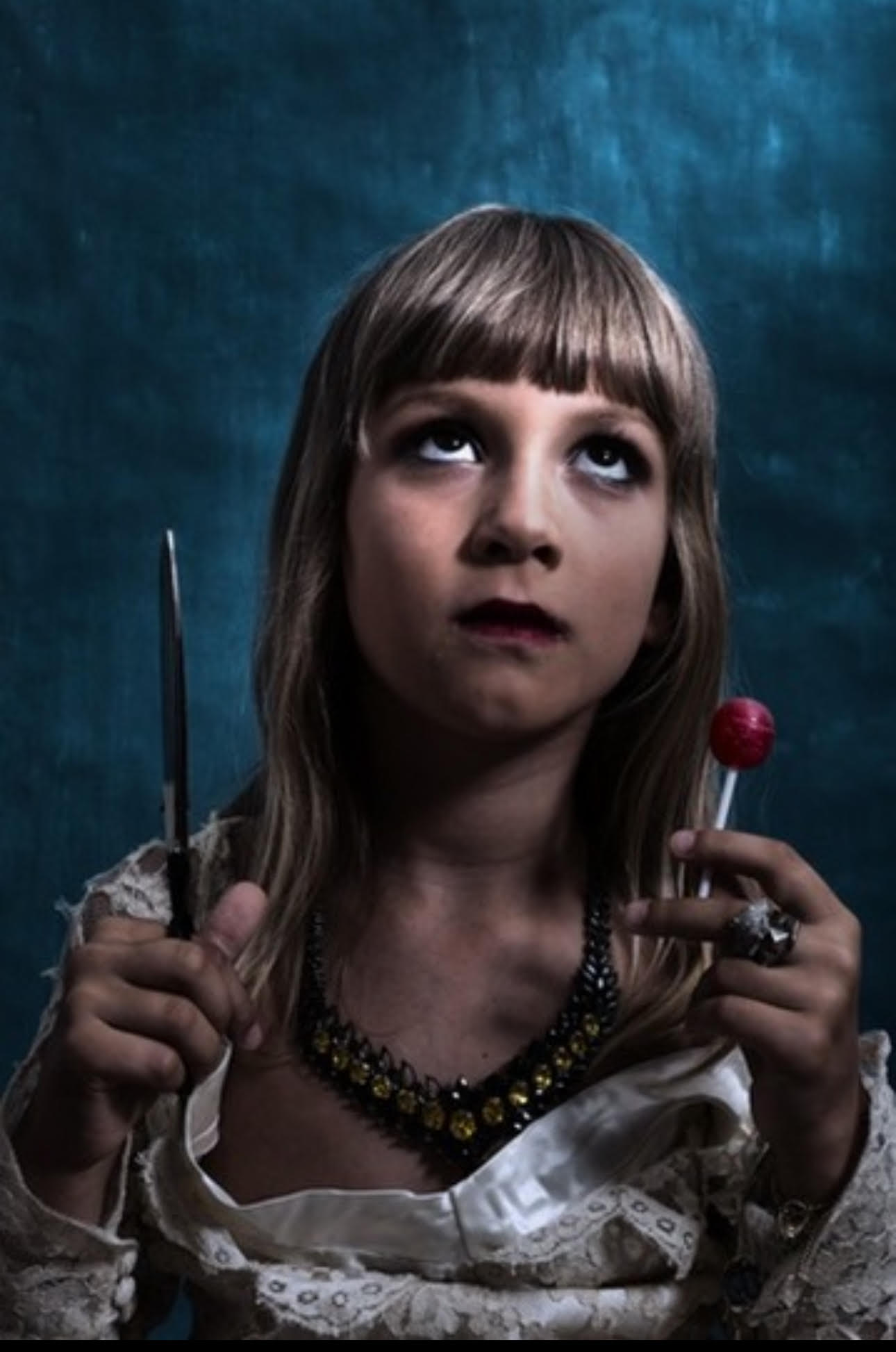
Arena’s achievement lies in the continuity of his gaze. Other Identity does not offer a definitive description of contemporary identity; it preserves incompatible answers, mature practices and emerging research within a recognisable structure.
For readers of contemporary photography, performance and moving image, it is a rare point of entry: images do not merely illustrate words, and words do not merely explain artworks. Together they form an archive of positions on how the self becomes public.

Works and visual paths


Sources and further reading
Sources allow readers to verify and explore. Official artist links are part of the feature, not an appendix.
 ADV
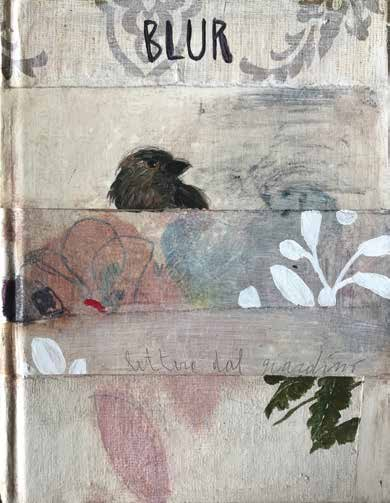
ADVAcquistare Arte recommends: Resin-sealed books, words and layered images turn melancholy into a material narrative.
Painting · memory · collage
Open profile ↗