News · Galleries, photography and urban projects
Takeawaygallery reopens in Centocelle: Stefano Carsetti Esposito and a Roman gallery outside the frame
The new Via dei Narcisi 21 venue, an artists’ archive and fifteen years of exhibitions, installations and collaborations across Rome and Italy.
The new venue in Centocelle
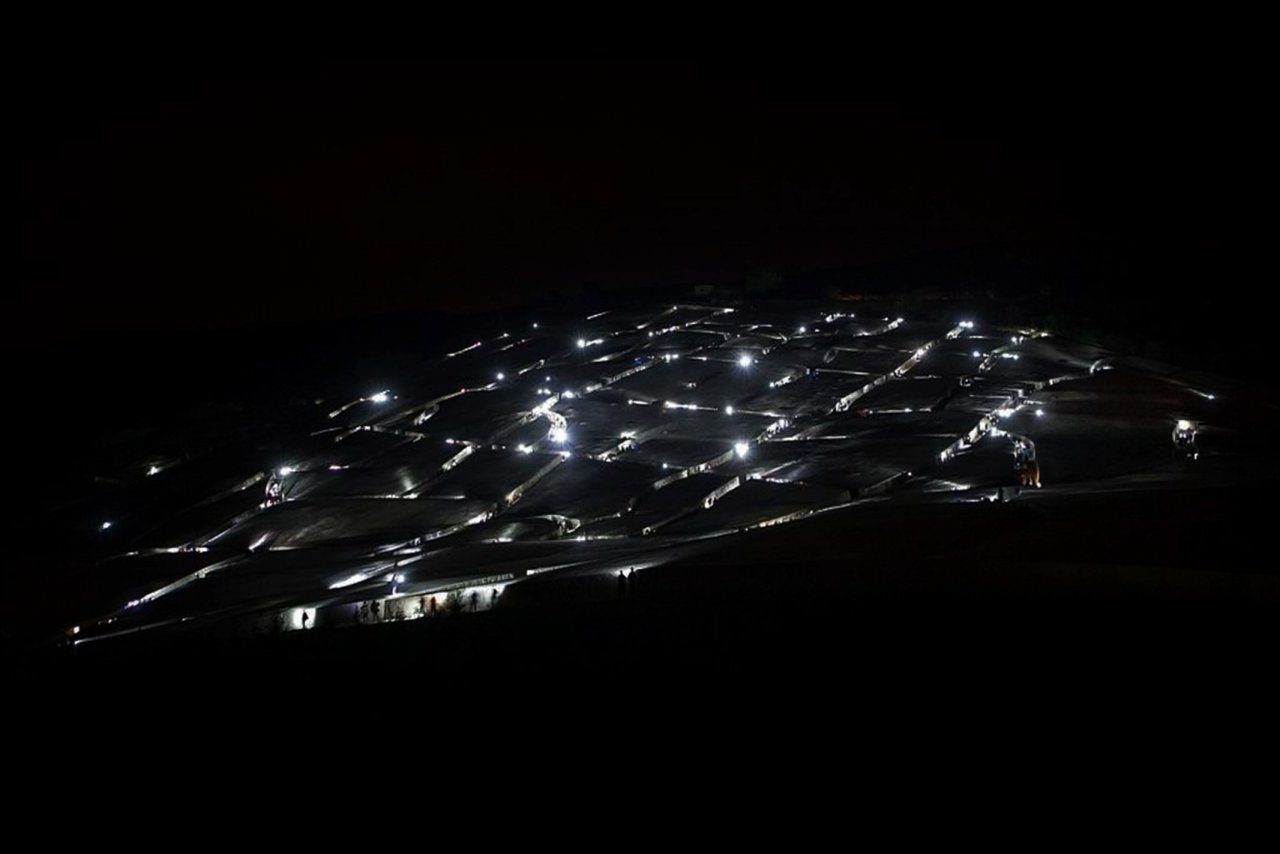
On Thursday 1 October 2026, from 5:30 to 9:30 pm, Takeawaygallery opens a new venue at Via dei Narcisi 21 in Centocelle, a short walk from Mirti station on Metro C. After an almost two-year pause, the project returns to a Roman neighbourhood where the relationship between residents, studios and public space forms part of everyday local history.
The formula remains the one that made the association recognisable: a TakeAway gallery open to photography, sculpture, environmental installations, meetings and public or private events. It is more than a new exhibition address: it is an urban laboratory that can change scale according to the project.

Stefano Carsetti Esposito, founder and photographer
Takeawaygallery began in late 2009 from the project of Roman photographer Stefano Carsetti Esposito (Rome, 1959), becoming a cultural association in 2012. His idea of a gallery starts with photography but does not stop at the medium: it connects artists, critics, institutions, administrations and citizens, often outside canonical art venues.
In a conversation about the collaboration with Le Artigiane, Esposito summarised the method as a wish to “bring art everywhere”. The Centocelle venue takes up that intuition, able to host an exhibition, a site-specific project, a screening or a conversation without changing its identity.
Fifteen years of exhibitions and projects
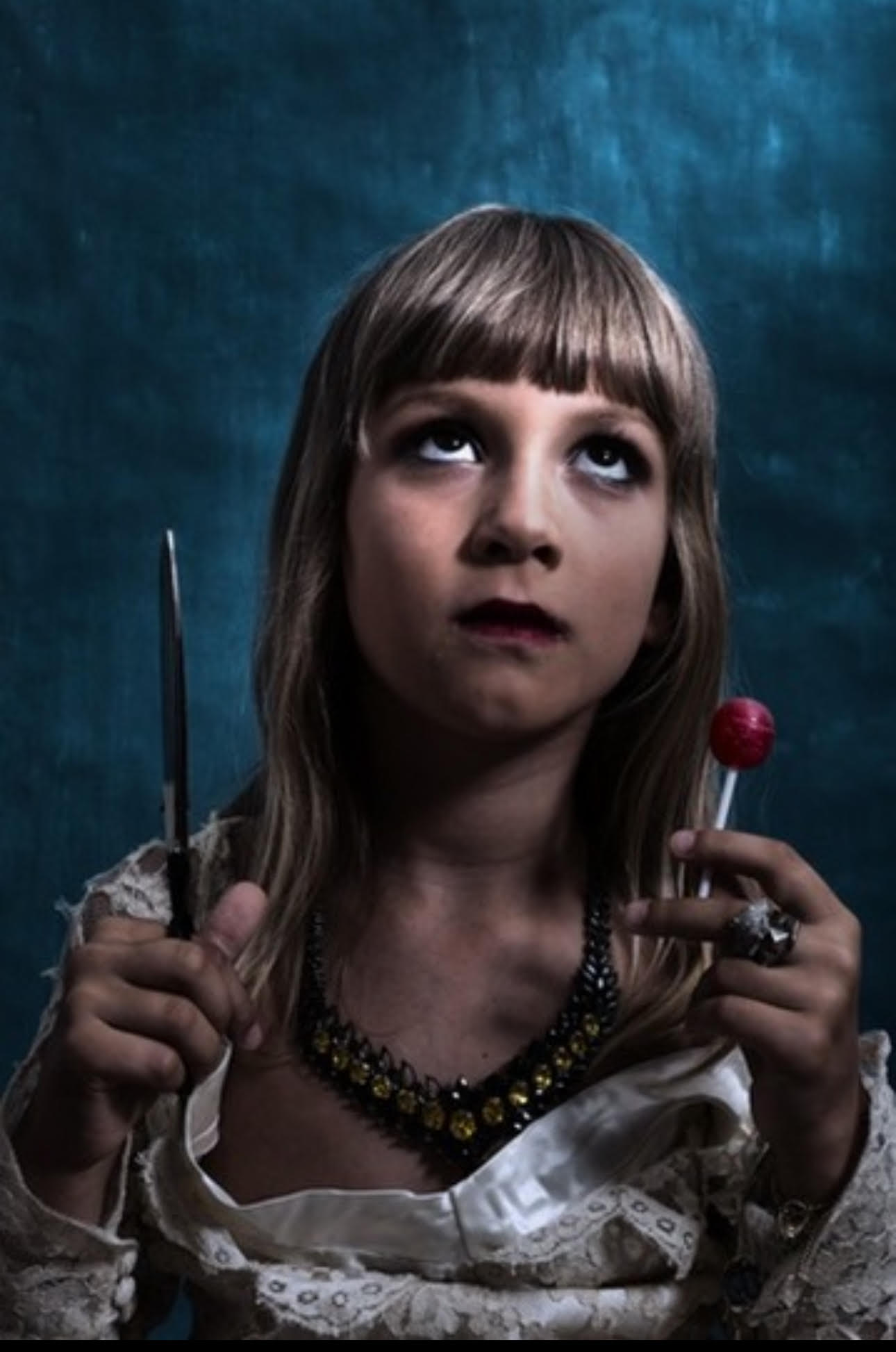
The Takeawaygallery archive includes more than thirty exhibitions, art films, theatre, music and interventions in historic, natural and everyday places. It is an Italian story of curatorial mobility: the work travels, the context changes and the gallery builds a different form of attention each time.
Documented projects include Alberto Timossi’s Fata Morgana at Lake Col d’Olen; Massimo Scognamiglio’s The Magnificent Seven and Punk Aristocracy in Rome; Lulù Nuti’s System at the Roman Houses of the Celio; Timossi’s Illusion at Cave Michelangelo in Carrara; Marco Milia’s The Eighth Day; Francesco Fei’s Lightness; Giancarlo Neri’s Latinorum; Milia’s In aere in aquis; Onepieceart’s The Truth is Naked; I Love Music at Room26; Opera Unica; the first 24x24 group show; and Domenico Ventura da Altamura’s 2013 solo project.
From photography to public projects
Esposito’s work is the thread connecting images and relationships. Photography documents, but it can also become a platform for bringing very different practices together: a studio portrait beside an environmental sculpture, a punk archive beside a sound action, a museum exhibition beside an intervention in a market or a school.
That is why Takeawaygallery has worked with Palazzo delle Esposizioni, Cinema Farnese, the Roman Houses of the Celio, Spazio EXP, Le Artigiane, Tuscan institutions and Carrara’s cultural venues. The gallery does not use site-specific work as mere scenery: it allows the place to alter how the work is read.
Roman Houses of the Celio: three interventions, three generations
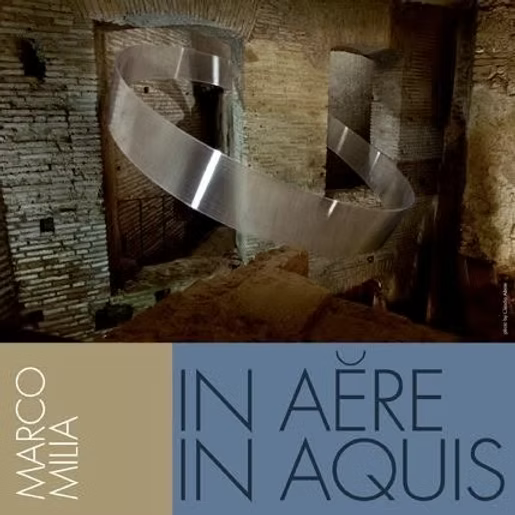
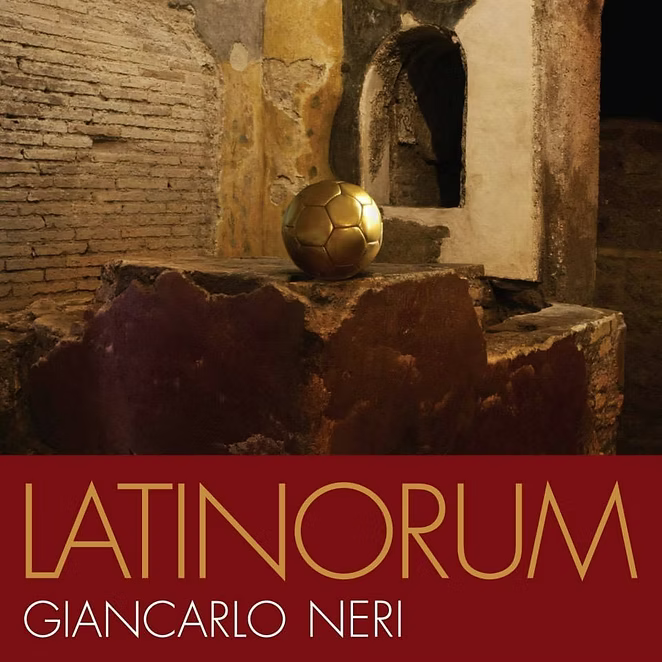
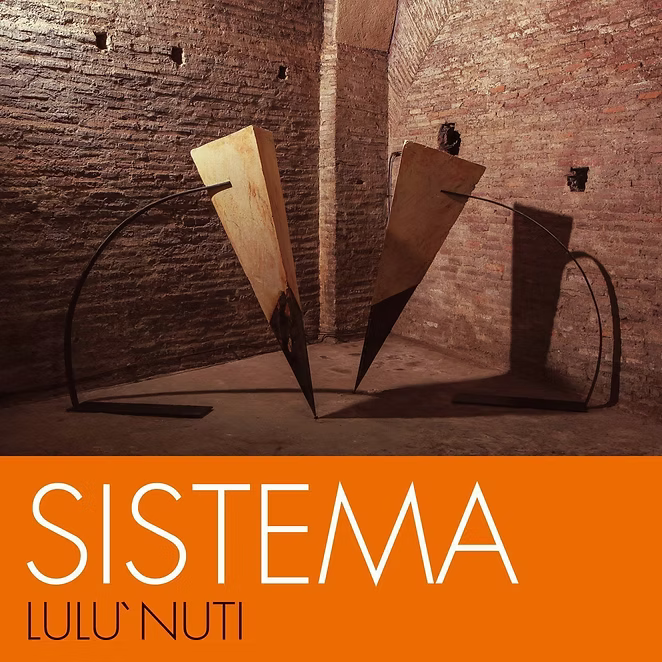
Between 2013 and 2016 Takeawaygallery conceived three site-specific interventions at the Roman Houses of the Celio with Cooperativa Spazio Libero, which managed the site, under the high supervision of MiBAC’s Special Superintendency for the Archaeological Heritage of Rome and with the patronage of the Italian Ministry of the Interior’s Fund for Religious Buildings. They were Marco Milia’s In aĕre in aquis (7 December 2013–17 February 2014), Giancarlo Neri’s Latinorum (29 November 2014–16 March 2015) and Lulù Nuti’s Sistema (19 December 2015–7 March 2016).
The works by artists from three different generations were articulated throughout the host space and integrated with it without imposing themselves upon it. They established fertile, aesthetically persuasive relationships between contemporary art and archaeology, engaging with the site’s history, frescoes and architecture. The exhibitions demonstrated continuity between past and present, the beauty and significant meanings of art in every period, and the vitality of an archaeological site that could be temporarily renewed by a visual language different from the one already present. They attracted new audiences and media attention, while benefiting nearby activities and the wider community. The conception, submission, approval and installation of each exhibition required about twelve months of preparation.
In 2016 the three exhibitions became a Sapienza University of Rome case study within Confluenze. Antico e Contemporaneo, curated by Nicoletta Cardano and Francesca Gallo at Sapienza’s Museum of Classical Art from 21 May to 18 June. A documentary section reviewed significant interventions carried out in Rome from the 1960s onwards in which contemporary art had entered into dialogue with archaeological spaces.
Punk Aristocracy: a photographic archive on view
In 2016 Takeawaygallery presented Punk Aristocracy, thirty black-and-white and colour photographs by Massimo Scognamiglio. The exhibition addressed the movement of punk from the 1970s and 1980s into fashion and mainstream cultural consumption.
“Punk has slipped everywhere and at the same time has been violated,” Scognamiglio told La Repubblica. The project shows how the gallery works: it does not neutralise contradiction, but makes it visible and opens it to discussion.
ECO, Atto Secondo and collaborations
In 2023 Takeawaygallery collaborated on ECO, a group exhibition of sculpture, installation and video art at Spazio EXP, curated by Fiamma Fiermonte and Pietro Tornesello. In 2017 Atto Secondo gathered photographers at Palazzo Velli Expo to mark eight years of activity.
In December 2024, at the Palazzo delle Esposizioni, the 2009–2024 project connected WIM – Word Image Music, NUDO and collaborations with Cinema Farnese. The formula is always the same and always different: artists, a place, a temporary community and a document that remains.
Who to meet in the archive
The historical list includes Claudio Abate, Irma Alonzo, Sergio Angeli, Rino Barillari, Gerald Bruneau, Fabrizio Buratta, Giuliano Cardella, Angelo Cricchi, Giovanni Cozzi, Baldo Diodato, Giovanni De Angelis, Patrizia Dottori, Thalassini Douma, Rodolfo Fiorenza, Pasquale Nero Galante, Dino Ignani, Irina Ionesco, Emanuela Lena, Lucideddu, Mauro Magni, Elisa Montessori, Luigi Mulas Debois, Lulù Nuti, Claudio Orlandi, Claudio Palmieri, Roberto Precioso, Alessandro Procaccioli, Andrea Santarlasci, Massimo Scognamiglio and Stefano Carsetti Esposito.
These names are not a catalogue of prices. They are a network of research: photography, painting, sculpture, installation, film, performance and music enter the same archive because the gallery brought them into relation. The new venue can therefore act as an access point to an already extensive history rather than as a restart from zero.
How to follow the new venue
Check Takeawaygallery’s official website, calendar and contact channels before visiting: the programme can change with each project. The opening page gives Via dei Narcisi 21 in Centocelle and the Metro C connection at Piazza dei Mirti.
For collectors, the project’s value lies in the transparency of context. Before asking for a price, understand who is curating, how the work relates to the place, and what medium, dimensions, provenance, edition or uniqueness and transport costs apply. An independent gallery can be accessible, but it deserves the same documentary care as any purchase.
Sources and further reading
Sources allow readers to verify and explore. Official artist links are part of the feature, not an appendix.
- Art a part of cult(ure) · Takeawaygallery new opening ↗
- Takeawaygallery · official website and programme ↗
- Rome Art Week · structure profile and project archive ↗
- Rome Art Week · Takeawaygallery in English ↗
- La Repubblica · Punk Aristocracy at Takeawaygallery ↗
- Art a part of cult(ure) · Takeawaygallery 2009–2024 ↗
- Arte.it · Atto Secondo ↗
- Arte.it · Takeawaygallery at Le Artigiane ↗
- Notiziarte · ECO at Spazio EXP ↗
- Takeawaygallery · YouTube video ↗
 ADV
ADVAcquistare Arte recommends: Resin-sealed books, words and layered images turn melancholy into a material narrative.
Painting · memory · collage
Open profile ↗