Rome · Neighbourhood, galleries and artist studios
San Lorenzo in Rome: galleries, artist studios and Pastificio Cerere
A cultural guide to San Lorenzo: the 1943 bombing, Pastificio Cerere and the work of Monitor, Matèria and Numero Cromatico.
San Lorenzo: a cultural map to walk
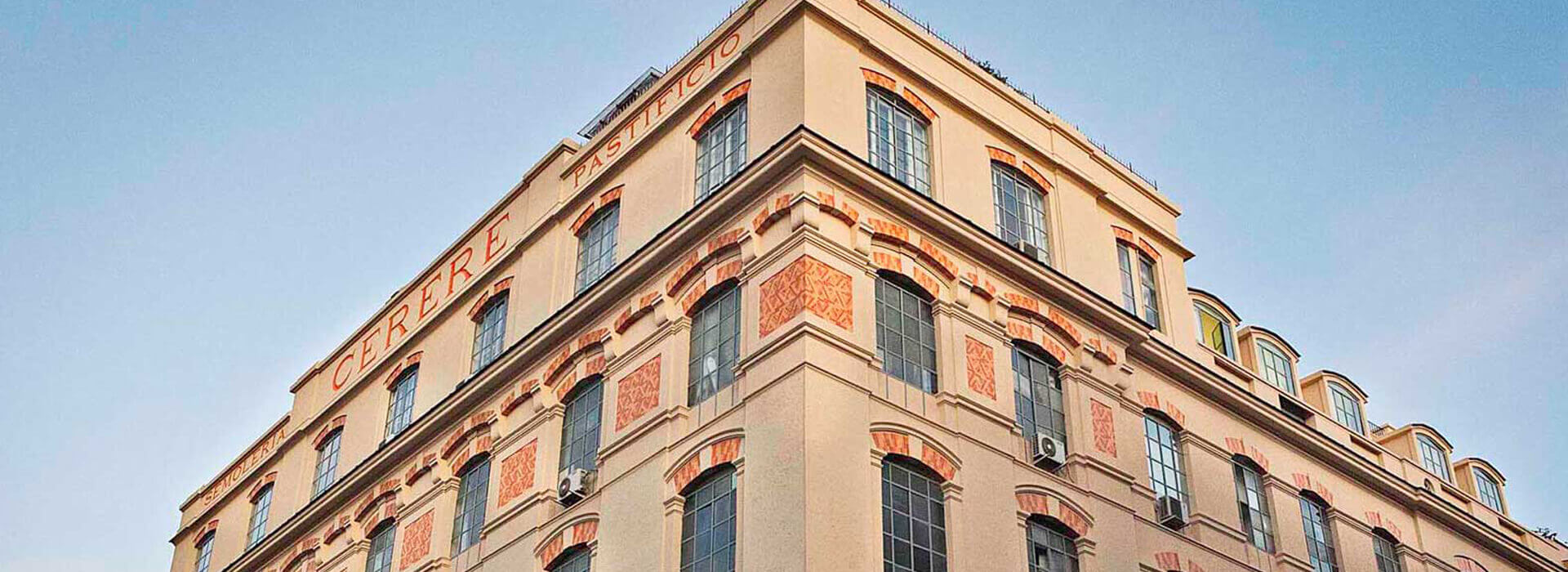
San Lorenzo was not planned as an art district. Factories, railways, courtyards, working-class housing, the university and workshops produced an irregular geography in which art often grew from the closeness of work and daily life.
This route links Pastificio Cerere, Monitor, Matèria and Numero Cromatico. Foundation, studios, galleries and research collective have different roles; proximity makes an ecosystem visible without giving it a fictional single director.

19 July 1943: war entered the neighbourhood
The Allied raid of 19 July 1943 targeted the railway yard and devastated San Lorenzo. Rome’s city authority records more than four thousand bombs; institutional archives preserve images of tracks, buildings and lives struck by war.
This wound helps explain the district’s uneven fabric and its relationship with memory and rebuilding.

Pastificio Cerere: from 1905 factory to studios
The pasta factory opened in 1905 and remained active into the postwar era. Nunzio established the first studio in 1973, followed by Bruno Ceccobelli, Gianni Dessì, Giuseppe Gallo, Piero Pizzi Cannella and Marco Tirelli.
Ceccobelli recalls how they “transformed an industrial space into a place to work and live”. In 1984 Ateliers, curated by Achille Bonito Oliva, opened their studios to the public.

The San Lorenzo Group: six artists, no single formula
The name describes a shared place and generation more than a style. Painting, sculpture, figure, mark and matter developed along independent paths.
As Nunzio put it, “each took their own direction, despite so many shared stories”. Collectors should study each career instead of using a historical label as a market shortcut.
Foundation and studios: a building still at work
Fondazione Pastificio Cerere was established in 2004 and opened in 2005. It organises exhibitions, residencies and education. Flavio Misciattelli states that “the cultural development of a community is fundamental to its growth”.
Studios still host different generations, including Nunzio, Piero Pizzi Cannella, Pietro Ruffo, Giovanni De Cataldo, Leonardo Petrucci, Rossella Fumasoni and Ileana Florescu.

Monitor and Matèria: two gallery models
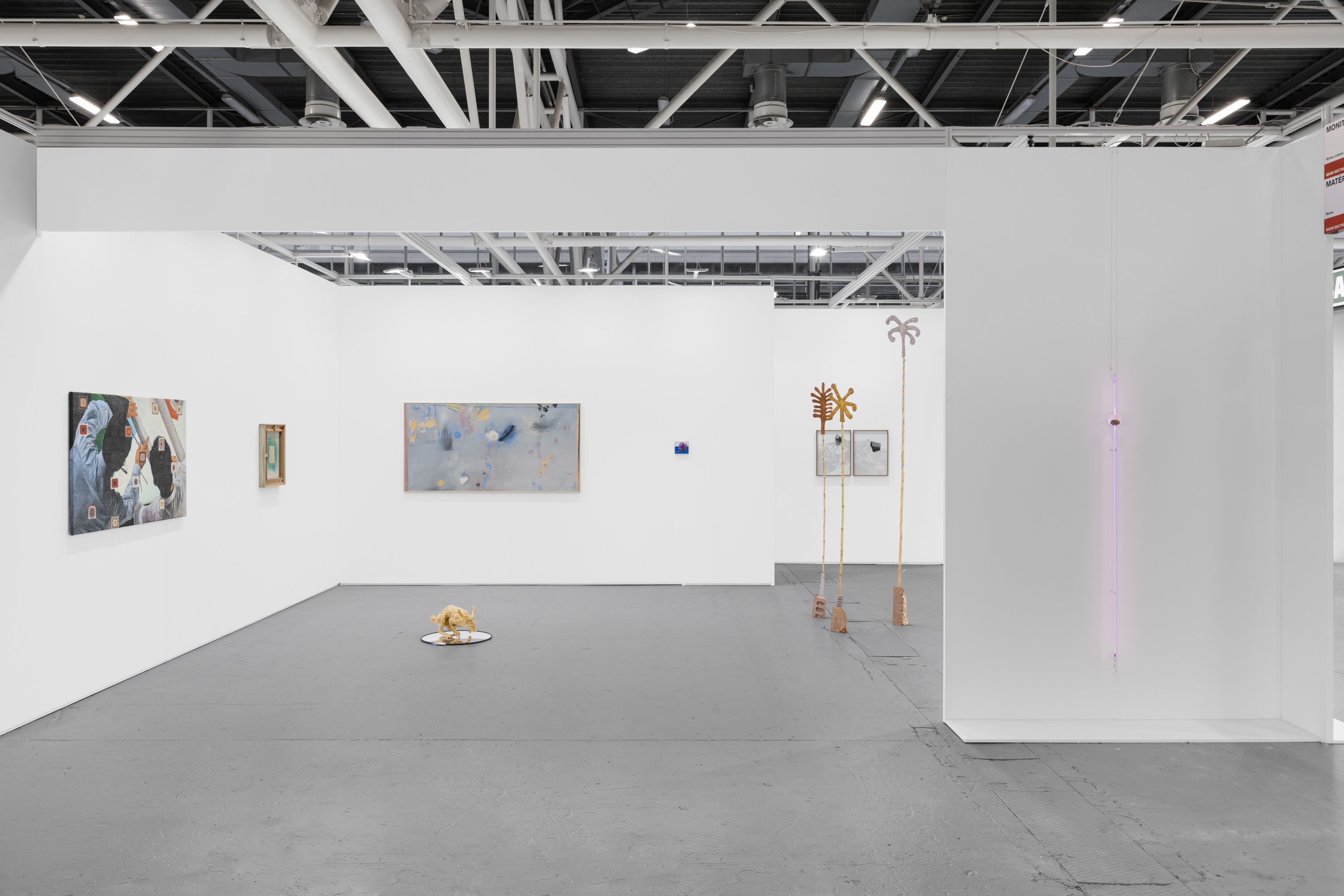
Monitor, at Via degli Aurunci 44–48, is led by Paola Capata. Elisa Montessori’s 50 × 35 in 2026 marked ten years of collaboration and showed how continuity and archives distinguish a programme from an occasional venue.
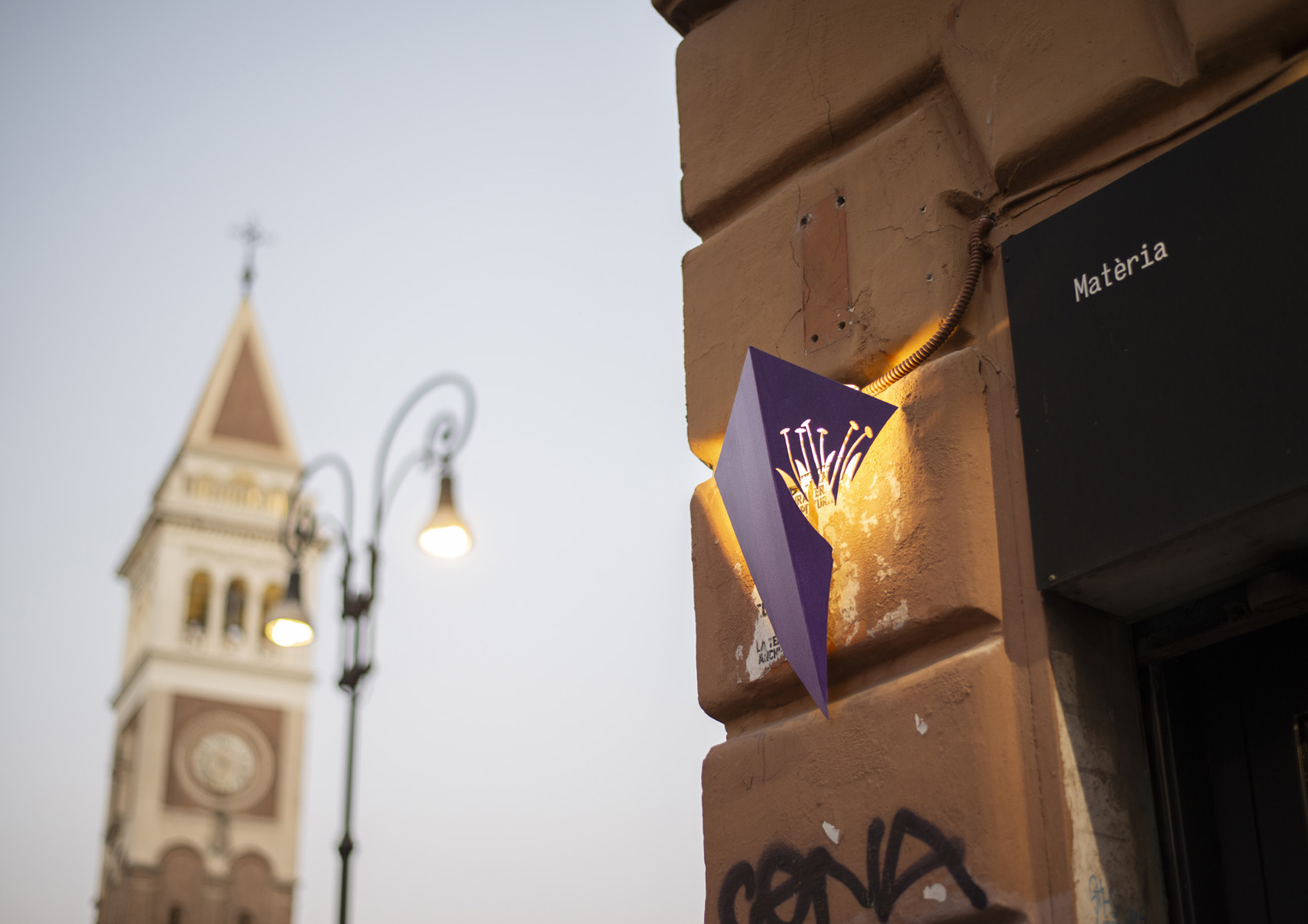
Matèria, founded by Niccolò Fano in 2015 and now at Via dei Latini 27, grew from photography toward broader material research. Its Luci di via project carried luminous works by Genuardi/Ruta into the street.
Numero Cromatico: a porous research studio
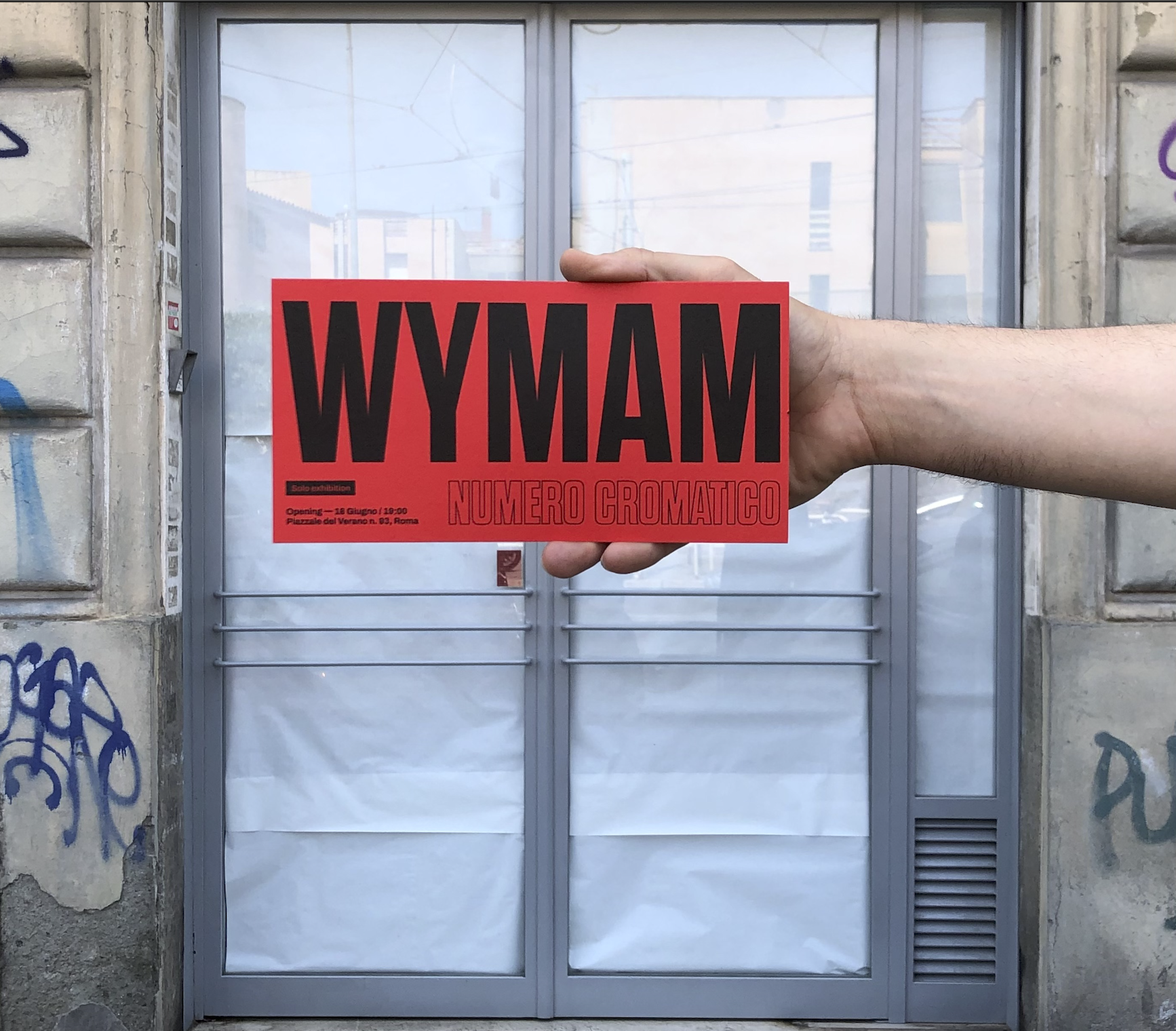
Founded in 2011, Numero Cromatico combines art and neuroscience. After three years inside Pastificio Cerere, it opened a studio at Piazzale del Verano 93 in 2025.
It is neither a gallery nor a venue with a regular public programme. Its aim is to remain “a porous place” where art, science, visual communication and thought meet.
The former Customs House: commercial renewal outside the art circuit
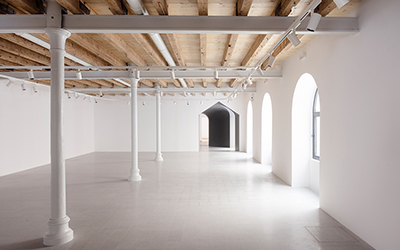
The redevelopment changes an important edge of San Lorenzo through hybrid hospitality, services and education. It is a commercial urban-regeneration project that may alter flows and the district’s image.
It remains outside the independent cultural circuit discussed here. Geographic proximity alone does not turn a property and hospitality project into an artistic organisation.

A practical route
Start at Fondazione Pastificio Cerere, Via degli Ausoni 7; continue to Monitor, Via degli Aurunci 44–48; Matèria, Via dei Latini 27; and Numero Cromatico, Piazzale del Verano 93. Private studios are not permanently open museums.
Check exhibitions, opening times and access on official sites on the day of your visit.
Sources and further reading
Sources allow readers to verify and explore. Official artist links are part of the feature, not an appendix.
- Fondazione Pastificio Cerere · storia e studi ↗
- Fondazione Pastificio Cerere · sito ufficiale e visite ↗
- Rome Art Week · Fondazione Pastificio Cerere ↗
- Giano Public History · Pastificio Cerere ↗
- Monitor · contatti e sede di Roma ↗
- Monitor · Elisa Montessori, 50 × 35 ↗
- Matèria · contatti ↗
- Matèria · 10 on Paper ↗
- Artribune · Luci di via a San Lorenzo ↗
- Artribune · Numero Cromatico a Roma ↗
- Roma Capitale · bombardamento di San Lorenzo ↗
- Archivio storico del Quirinale · 19 luglio 1943 ↗
- S.I.T.E. · recupero commerciale dell’ex Dogana ↗
 ADV
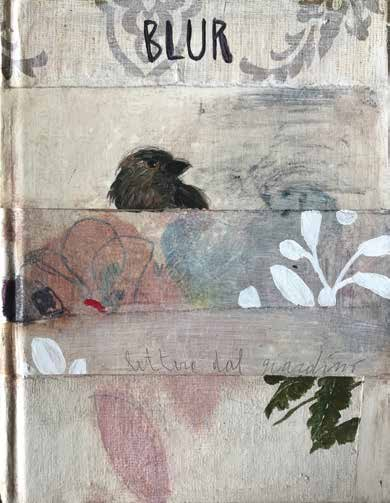
ADVAcquistare Arte recommends: Resin-sealed books, words and layered images turn melancholy into a material narrative.
Painting · memory · collage
Open profile ↗