Digital art · Philosophy
Francesco D’Isa: generative images after the author gives up control
Philosopher, artist and writer: a practice using generative errors, latent spaces and artificial intelligence to question identity and authorship.
In brief
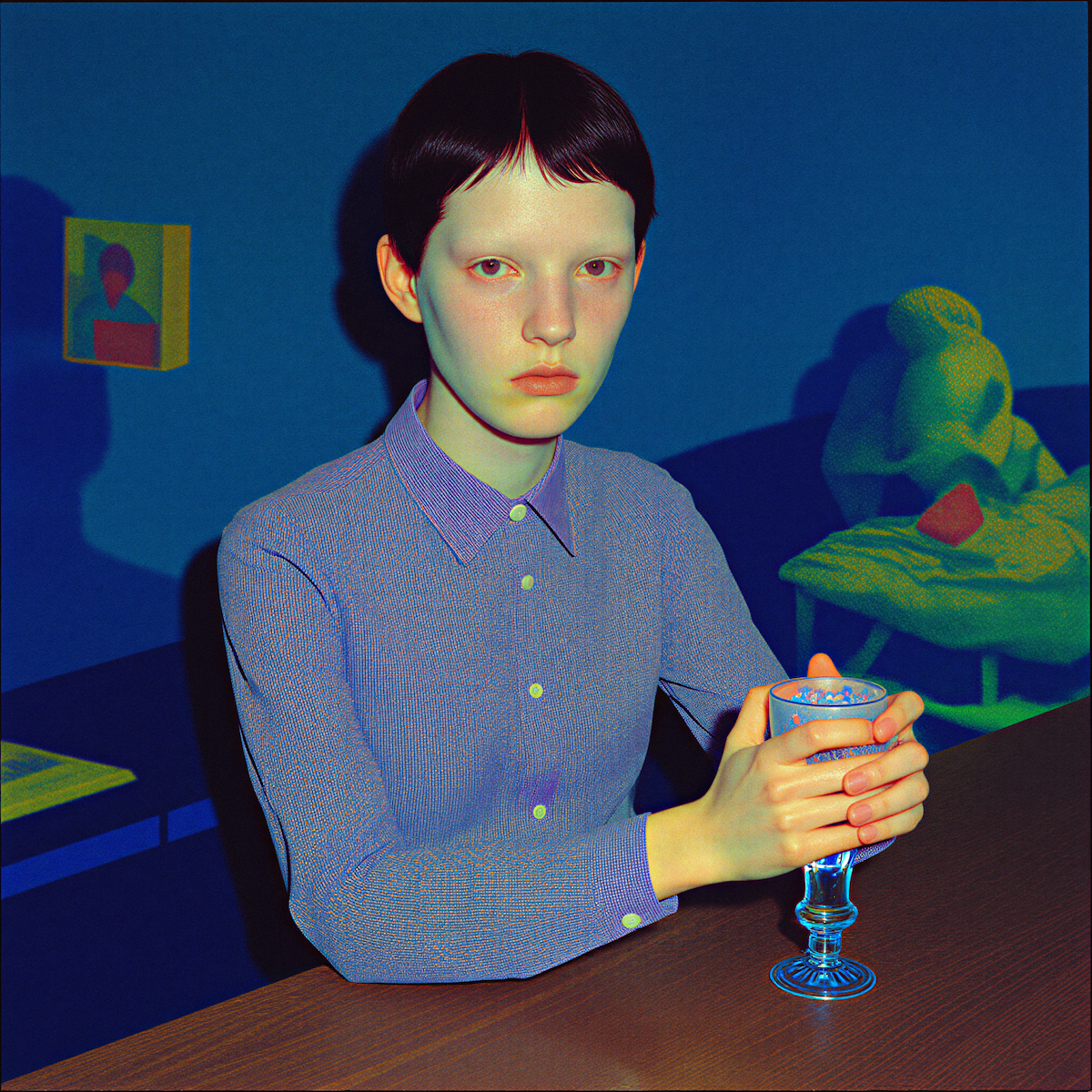
Francesco D’Isa works with artificial intelligence not to imitate an earlier technique, but to observe what happens when authorial control meets a probabilistic system.
Recognisable figures and anomalies remain in tension: the image approaches identity, then a generative error returns it to uncertainty.
Art as philosophical research
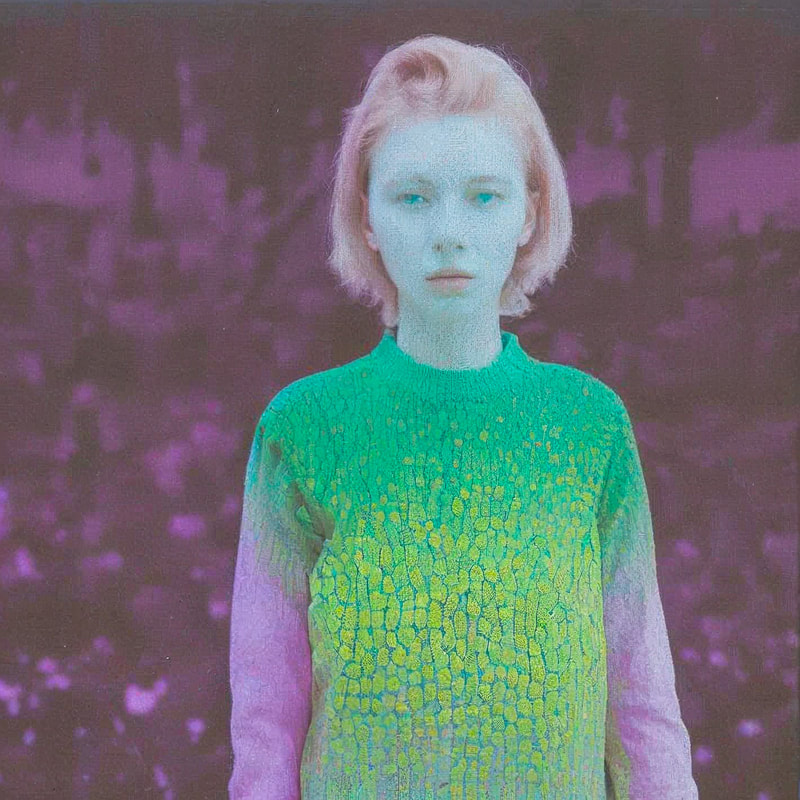
For D’Isa, art and philosophy share a task: pushing language to the point where it can no longer guarantee a stable description of the self or the world.
The image becomes an exercise in loss, allowing tools, archives and collective influence to emerge behind the romantic myth of the solitary author.
Errors and latent spaces
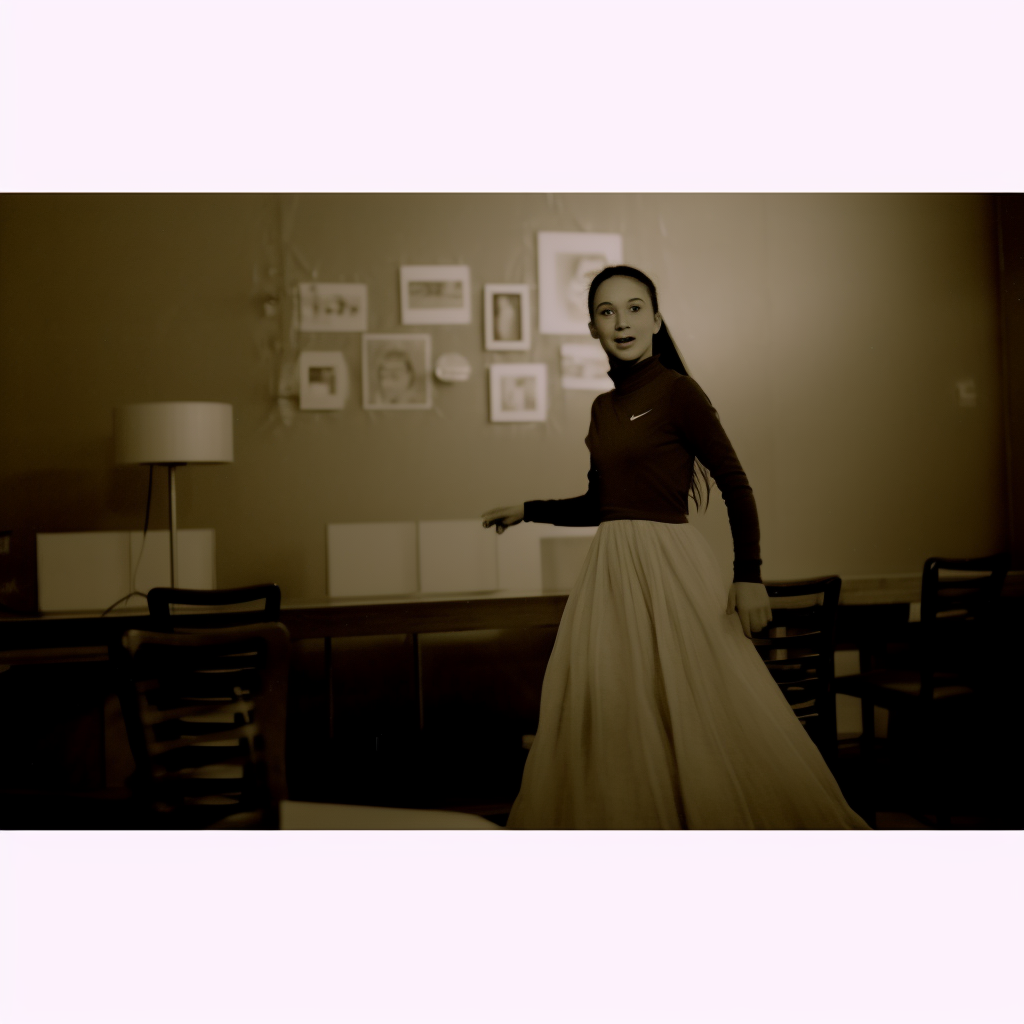
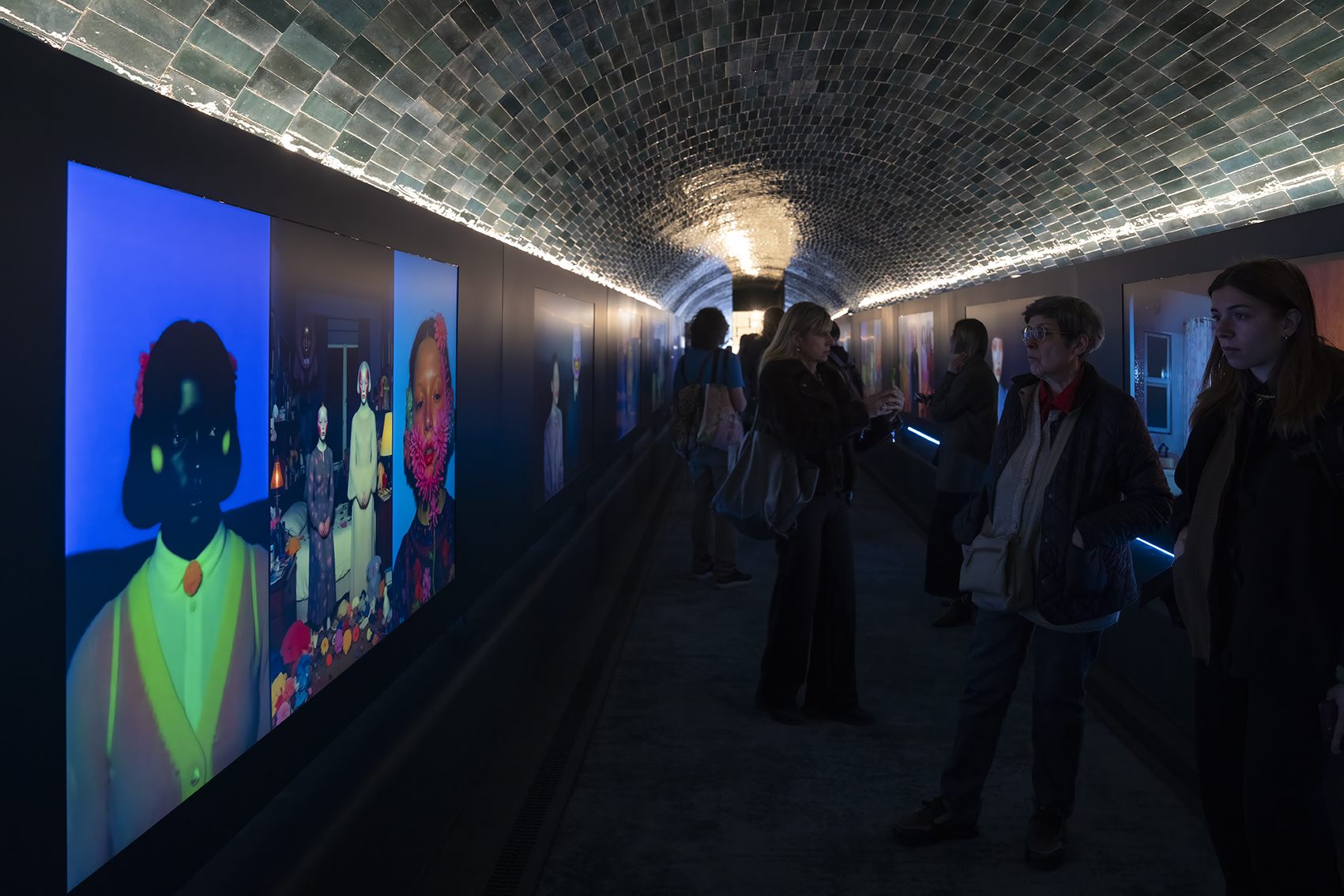
Errors values results that instrumental uses of AI would discard. Ambiguous anatomy and incoherence expose the limits of the system and of the human gaze trying to recognise.
Errancies uses generation to wander rather than reach a predicted result. Selection, constraints, context and the declaration of tools remain genuinely authorial decisions.
Distributed creativity
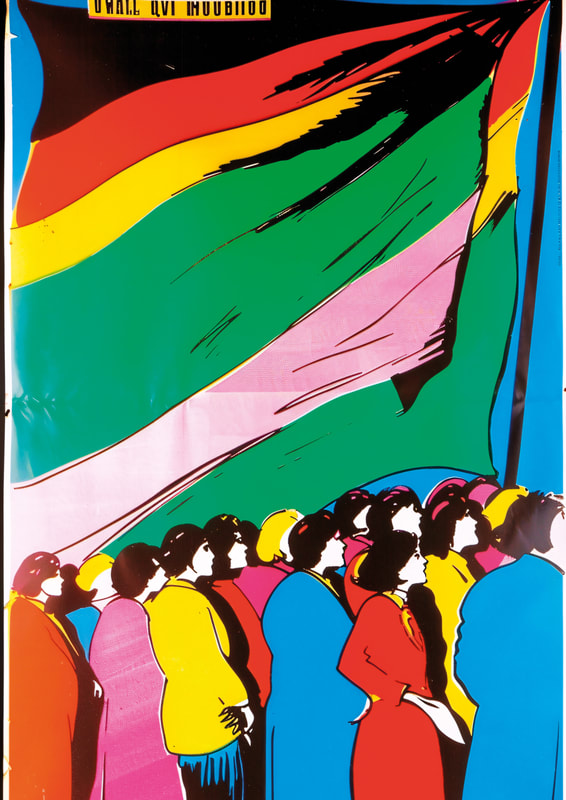
No image is born in isolation: models, datasets, art history, visual culture, instructions and human selection all participate in the result. D’Isa foregrounds this condition and challenges the signature understood as an absolute origin.
This does not remove responsibility or labour. It redistributes them: setting constraints, recognising a fertile error, selecting, discarding, contextualising and declaring the tools remain authorial decisions even when the outcome cannot be fully predicted.
From images to books
The research also moves through writing. Sunyata, an experimental graphic novel published in 2023, brings text into dialogue with generative images; The Algorithmic Revolution of Images, published in 2024, examines aesthetic impact, authorship, expression and intellectual property.
This continuity between theory and artworks prevents artificial intelligence from becoming a superficial effect. The images are concrete cases within a broader question: what remains of the author when creation takes place inside a network of languages, machines and collective memories?
Looking beyond technical novelty
A generative artwork cannot be evaluated only by asking which model produced it. Series coherence, final form, edition, process and relation to earlier research matter more.
Technology changes quickly; the artistic problem moves more slowly: producing an image that continues to question us after its software becomes obsolete.
Sources and further reading
Sources allow readers to verify and explore. Official artist links are part of the feature, not an appendix.
 ADV
ADVAcquistare Arte recommends: Resin-sealed books, words and layered images turn melancholy into a material narrative.
Painting · memory · collage
Open profile ↗