Mapping the contemporary
222 emerging artists to invest in: what the 2026 selection really measures
Cesare Biasini Selvaggi’s Exibart volume: 222 profiles, methods, data, prices and the limits of a map of emerging art in Italy.
A photograph, not a price list
Exibart’s 222 is more useful as a map of current Italian art than as a ranking. Its network of curators, critics, journalists and gallerists offers multiple viewpoints rather than a single market verdict.
Selection is a starting point for research, never a guarantee of future value.

A plural scene
Painting, sculpture, drawing, installation, photography, performance and digital practices coexist. More than 95 percent of names appear for the first time in the new edition, signalling editorial renewal.
The map is strongest when differences remain visible instead of being reduced to one idea of emerging art.
Reading the numbers
Half of the selected artists practise painting, while photography and digital technology remain significant. The reported average price is around €5,300, but an average cannot describe every medium, size or career stage.
Only part of the group has gallery representation. That can mean access, but it also makes documentation and direct verification more important.
How to use the almanac
Move from a name to the artist’s website, recent exhibitions, independent writing, available documentation and coherent bodies of work. Compare sources and contact the studio or gallery with specific questions.
A good acquisition begins with attention, not with fear of missing out.
Painting and manual work
The strong presence of painting reflects a wider return to gesture and material knowledge. It should not be read as nostalgia: contemporary painters combine art history with cinema, digital imagery and lived experience.
Where can you find the complete list of 222 artists?
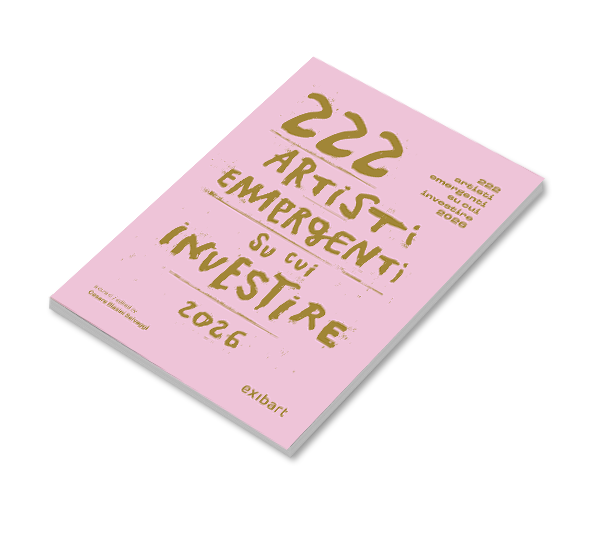
Exibart publishes the project’s method and aggregate data openly, but not all 222 individual profiles as a free online list. The complete selection is in the official printed volume edited by Cesare Biasini Selvaggi. A partial reconstruction should never be presented as the whole list.
The book runs to 240 pages and measures 17 × 24 cm. Each artist receives a page with one or two work images, a bilingual statement, contacts and a current price range. Exibart Service listed the book at €28 on 13 September 2026; check the official product page for the current price and availability.
How to read the figures
Exibart reports an average age of 32, 44.5% women and almost 15% born abroad but working in Italy. Only 44.6% have gallery representation. Medium percentages overlap because artists often work across formats.
The reported average artwork price of about €5,300 is neither a universal price nor a forecast. Verify the individual range with the artist or gallery, along with date, medium, size, edition, provenance, condition and fees.
Editorial selection, not a forecast
The fifth edition draws on eight months of input from galleries, curators, critics, foundations and journalists. Exibart describes the process, while individual nominators remain anonymous. Its term “scientific approach” is the publisher’s description; without a fully public protocol, informed editorial mapping is the more precise characterization.
More than 95% first appearances indicate a new editorial frame, not that 95% have just started their careers. As Exibart itself says, investment here should be read first as cultural. Inclusion does not predict appreciation.
Sources and further reading
Sources allow readers to verify and explore. Official artist links are part of the feature, not an appendix.
 ADV
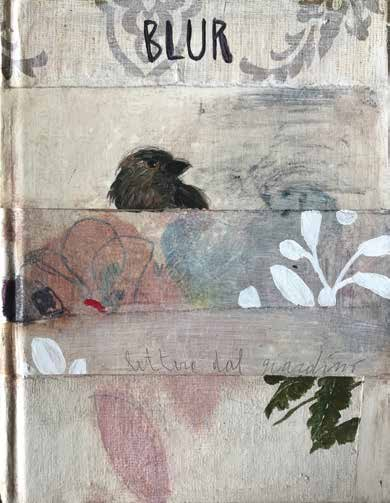
ADVAcquistare Arte recommends: Resin-sealed books, words and layered images turn melancholy into a material narrative.
Painting · memory · collage
Open profile ↗