Criticism · Digital art, markets and technology
Once upon a time there was the NFT. When technology swallowed the artwork
From Beeple’s record to the speculative crash: what remains of NFTs, why a token is not a digital artwork, and what may come next for blockchain, AI and generative art.
NFT / POST NFT
TEN ARTISTS: NFT AND AFTER NFT
Ten practices separating art from technological noise.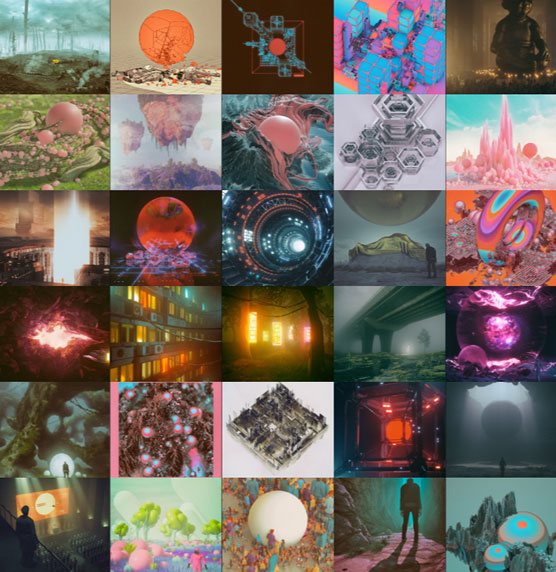
01 · NFT
Beeple
Everydays
The daily project that became the global symbol of the NFT boom.
WORKS AND RESEARCH ↗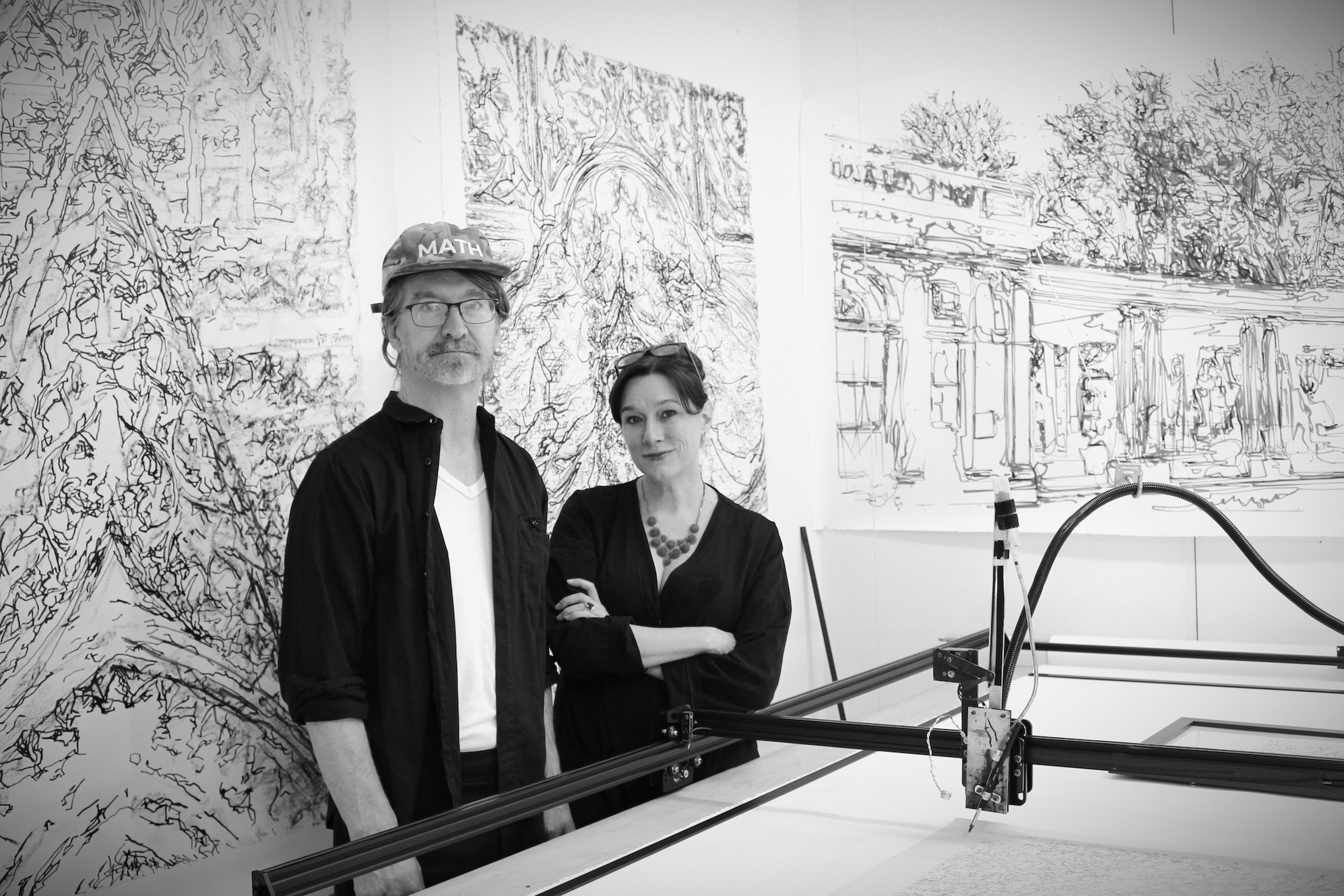
02 · NFT
Kevin McCoy
Quantum
Quantum anticipated digital provenance before the bubble.
WORKS AND RESEARCH ↗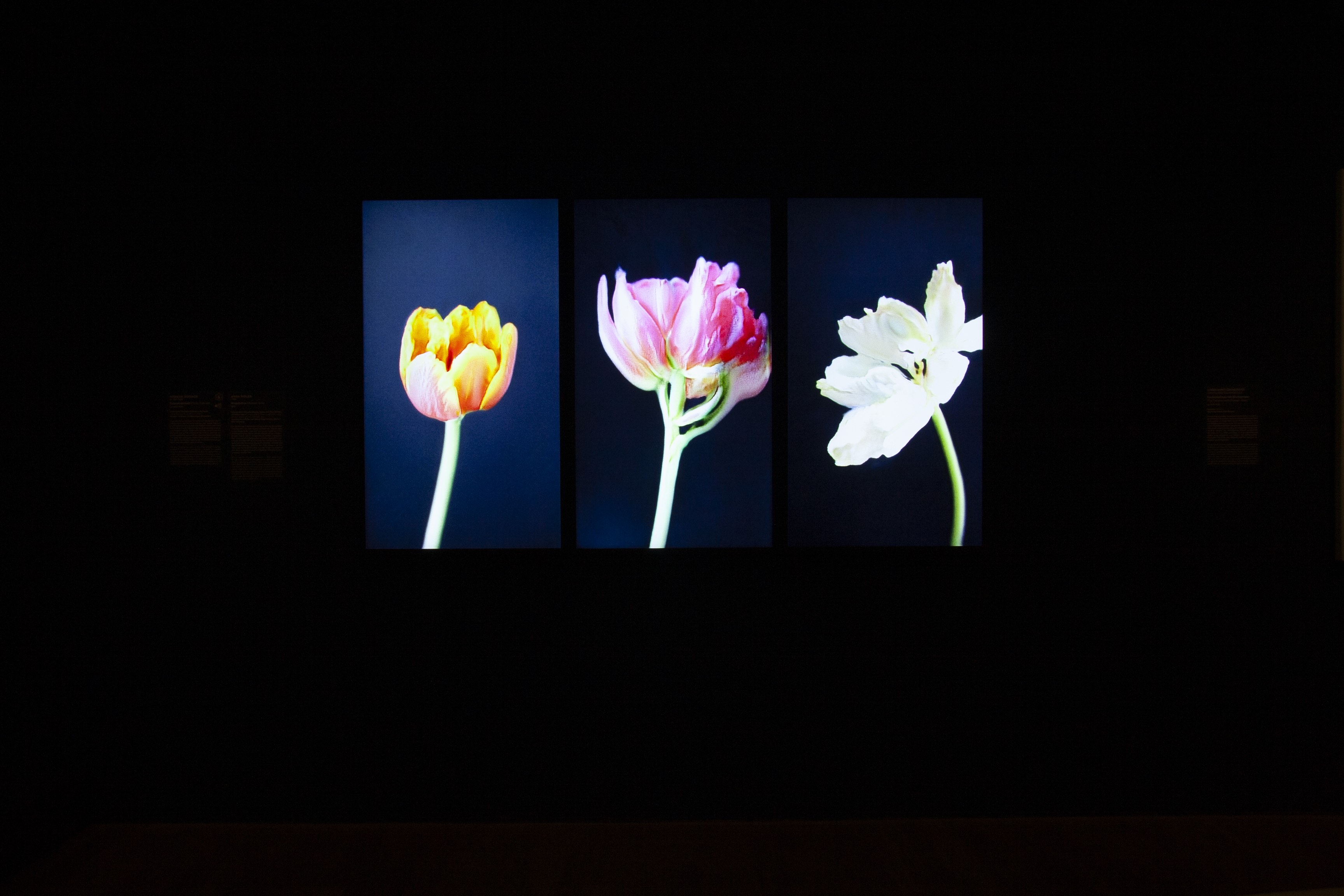
03 · NFT / AI
Anna Ridler
Mosaic Virus
Artist-made datasets connect AI, tulips and speculation.
WORKS AND RESEARCH ↗
04 · NFT / CODE
Harm van den Dorpel
Mutant Garden
Algorithms and blockchain question scarcity, selection and taste.
WORKS AND RESEARCH ↗
05 · CODE / NFT
Casey Reas
Generative systems
Code generates the work: the system matters more than the certificate.
WORKS AND RESEARCH ↗
06 · POST NFT · DATA
Refik Anadol
Quantum Memories
Large data archives become immersive environments.
WORKS AND RESEARCH ↗
07 · POST NFT · ROBOTICS
Sougwen Chung
Drawing Operations
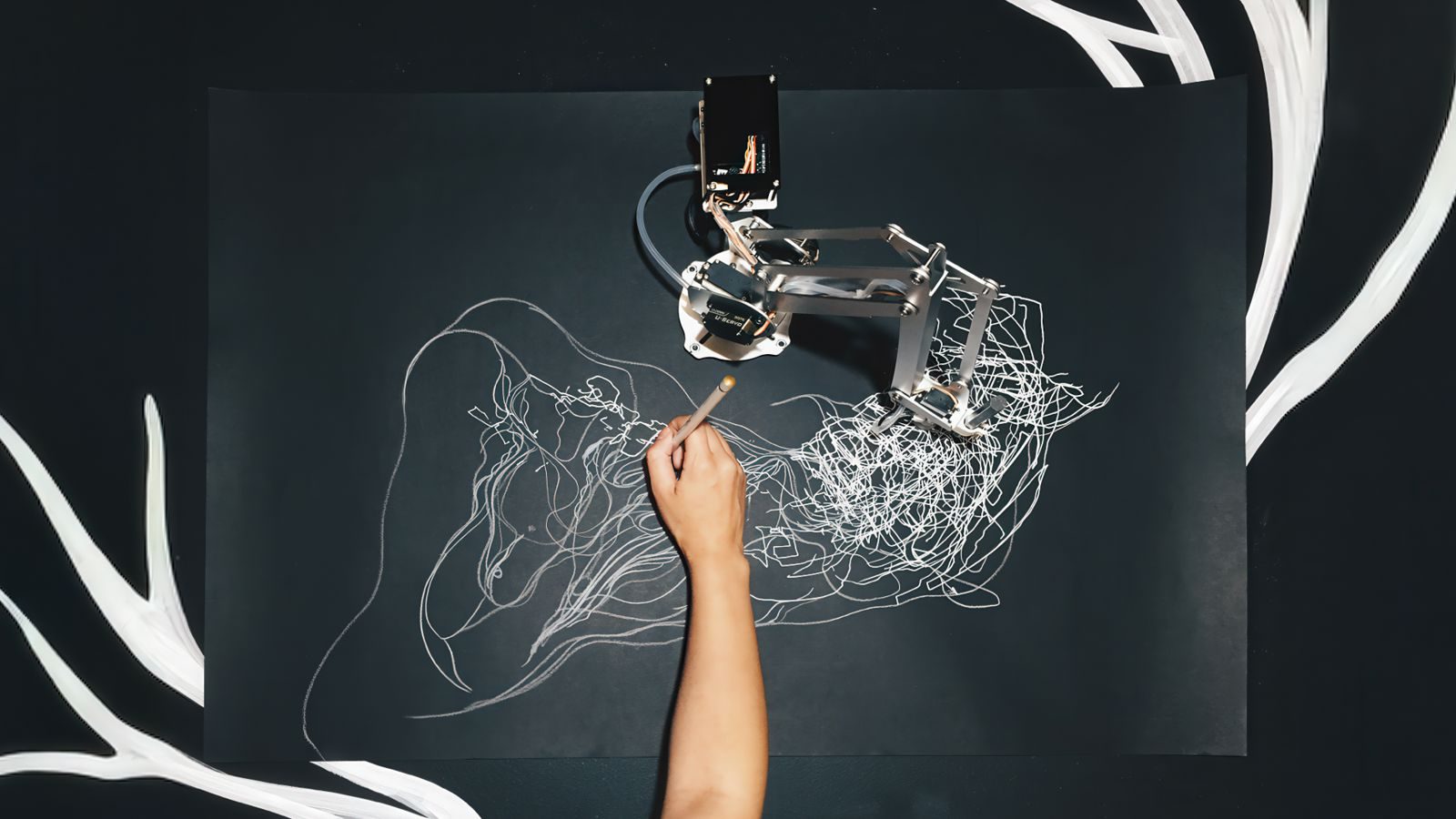
Drawing and robotics keep bodily labour visible.
WORKS AND RESEARCH ↗
08 · POST NFT · AI
Sofia Crespo
Artificial Natural History
AI invents synthetic biology and new classifications.
WORKS AND RESEARCH ↗
09 · POST NFT · AI
Mario Klingemann
Neural image systems
Neural networks become imagination, error and portraiture.
WORKS AND RESEARCH ↗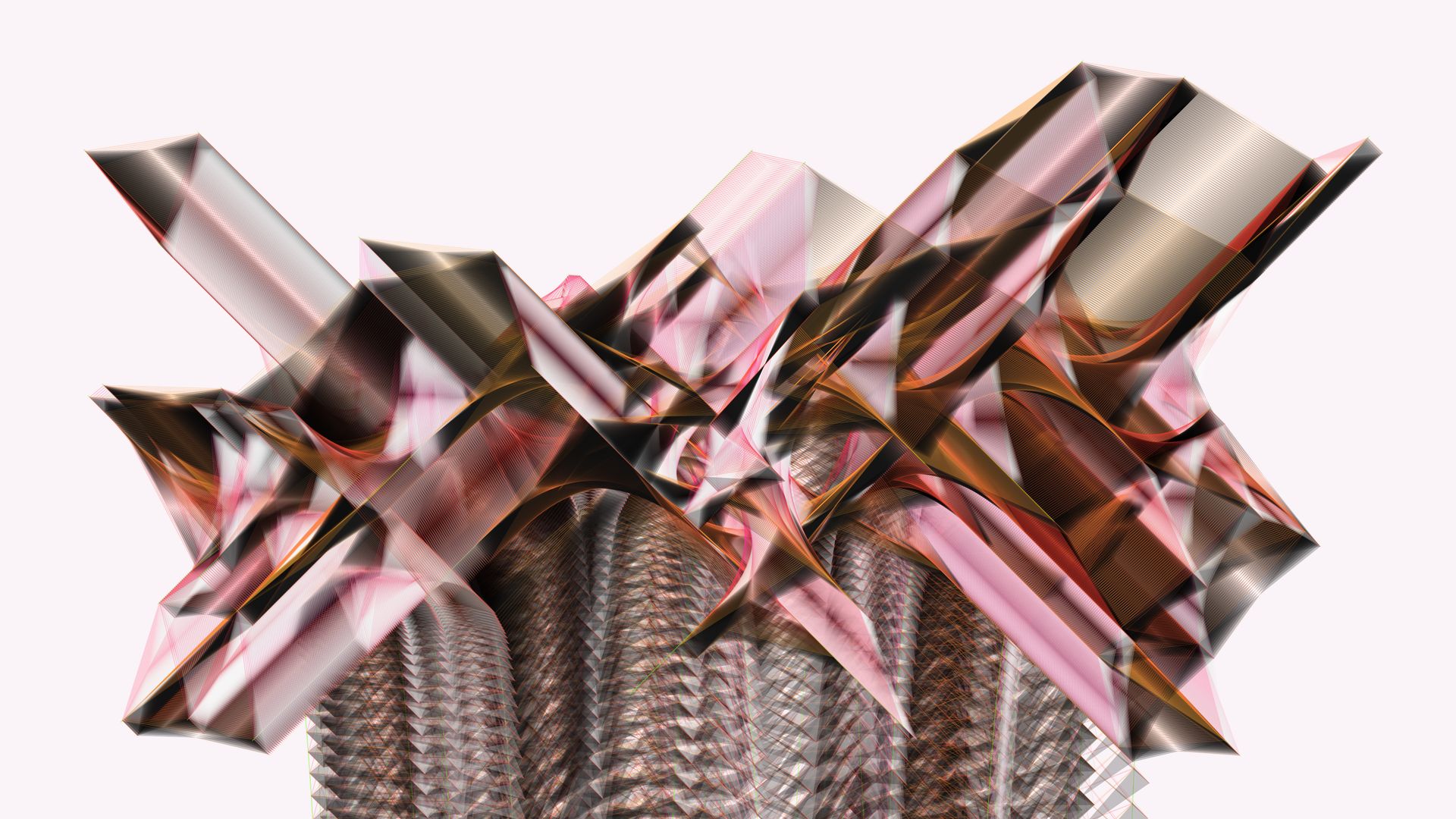
10 · POST NFT · GENERATIVE
LIA
Volatile Structures
Rules, software and movement build forms through time.
WORKS AND RESEARCH ↗The short answer: NFT was never digital art
NFTs did not invent digital art. They created a transferable, publicly verifiable way to associate a token with a digital asset. During the boom, certificate, file, image, community and price were sold as one thing.
Technology often occupied the artwork’s place. Attention moved from form, ideas and artistic history to programmed scarcity and resale speed. When finance stalled, many images had nothing left to support them.
Before the token: half a century of digital art
Computational art predates NFTs by decades: Harold Cohen developed AARON from 1972; Vera Molnár and Frieder Nake explored algorithmic rules; 1990s net art treated the browser as cultural space; Casey Reas made code a visual practice through Processing.
Digital art gains cultural value when language, process and form produce knowledge or experience. Screen, print, software, projection and generative systems are supports; technology is material, not an automatic subject.
2014–2021: from certificate to Beeple’s record
Kevin McCoy’s Quantum, registered in 2014, is often called the first artwork-linked NFT. CryptoPunks arrived in 2017. In March 2021 Christie’s sold Beeple’s Everydays for $69.346 million, turning a niche into a global phenomenon.
Art Basel and UBS estimated art-related NFT sales on external platforms at $2.6 billion in 2021, more than 100 times the previous year. Yet 85% of NFT transactions were collectibles: serial collecting, not digital-art history, powered the boom.
PFPs, status and liquidity: why the bubble worked
BAYC and CryptoPunks turned profile pictures into membership cards. Celebrities, Discord, rising crypto and 24-hour trading joined image, status and expected resale.
Scarcity applied to the token, not necessarily the image. Copying a JPEG remained easy. The promise of disintermediation produced new platforms, fees, wallets, influencers and technical middlemen.
When technology swallowed meaning
At the peak, people asked which chain before asking what the work did. Floor price replaced criticism and roadmap replaced research. Many collections engineered scarcity before developing formal necessity.
This does not condemn the medium. Rhea Myers, Anna Ridler, Harm van den Dorpel, Pak and others treat blockchain, data and ownership as real artistic questions. A token is not an ontological shortcut to art.
The crash: from total market to residual market
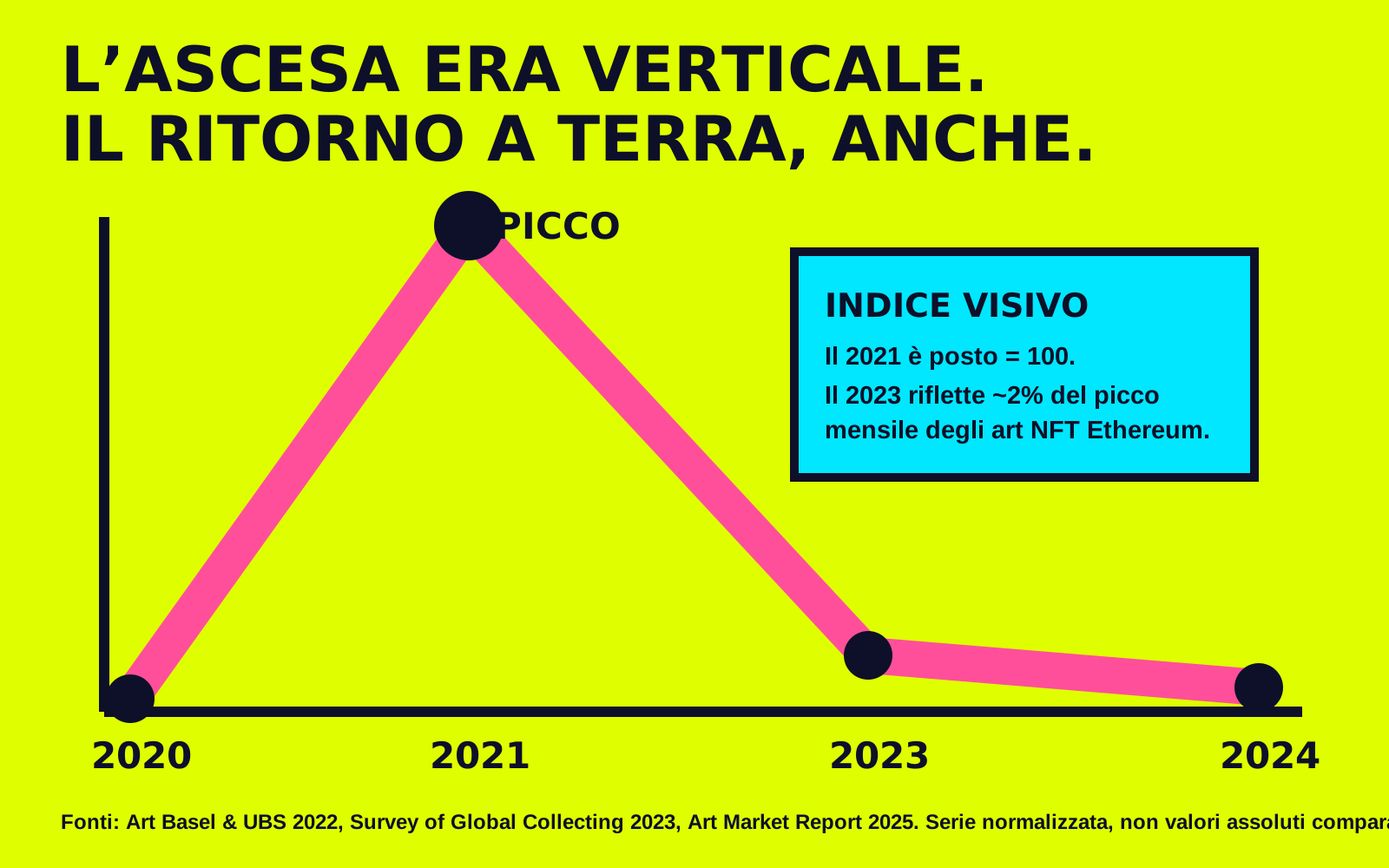
Crypto winter, platform failures, rug pulls and saturation drained liquidity. By mid-2023 the Art Basel–UBS survey placed monthly Ethereum art-NFT turnover near 2% of peak and unique buyers below 2,000, from more than 40,000.
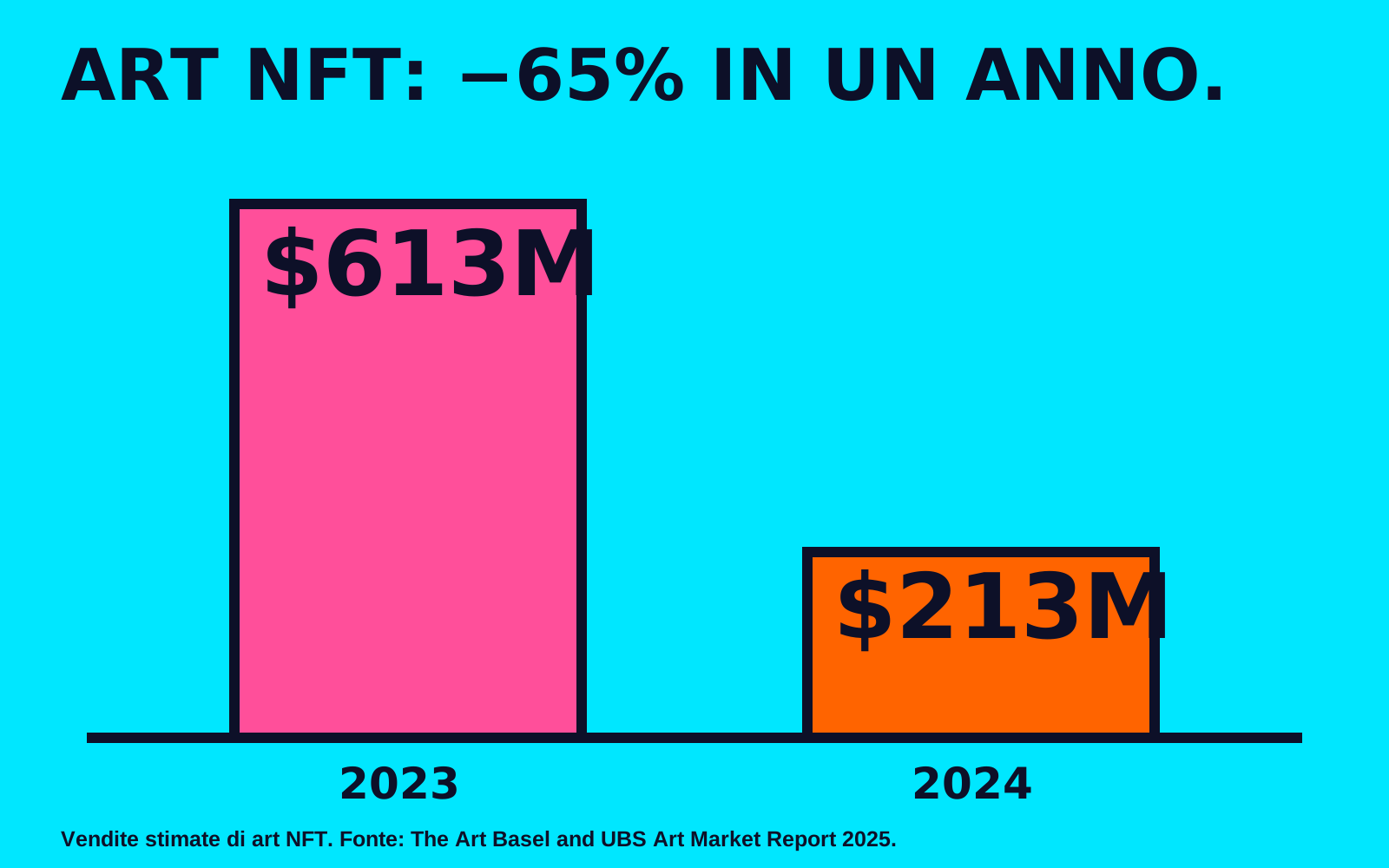
Art-NFT sales were estimated at $213 million in 2024, 6% of the NFT market, down from $613 million and 9% in 2023. By Q4 2024 the total NFT market was near pre-peak 2020 volume. This describes market contraction, not each work’s cultural value.
What do you actually own?
Buying an NFT may mean owning a wallet token; it does not automatically include copyright, reproduction rights, source files or permanent access. Content may sit on-chain, on IPFS or on an ordinary server.
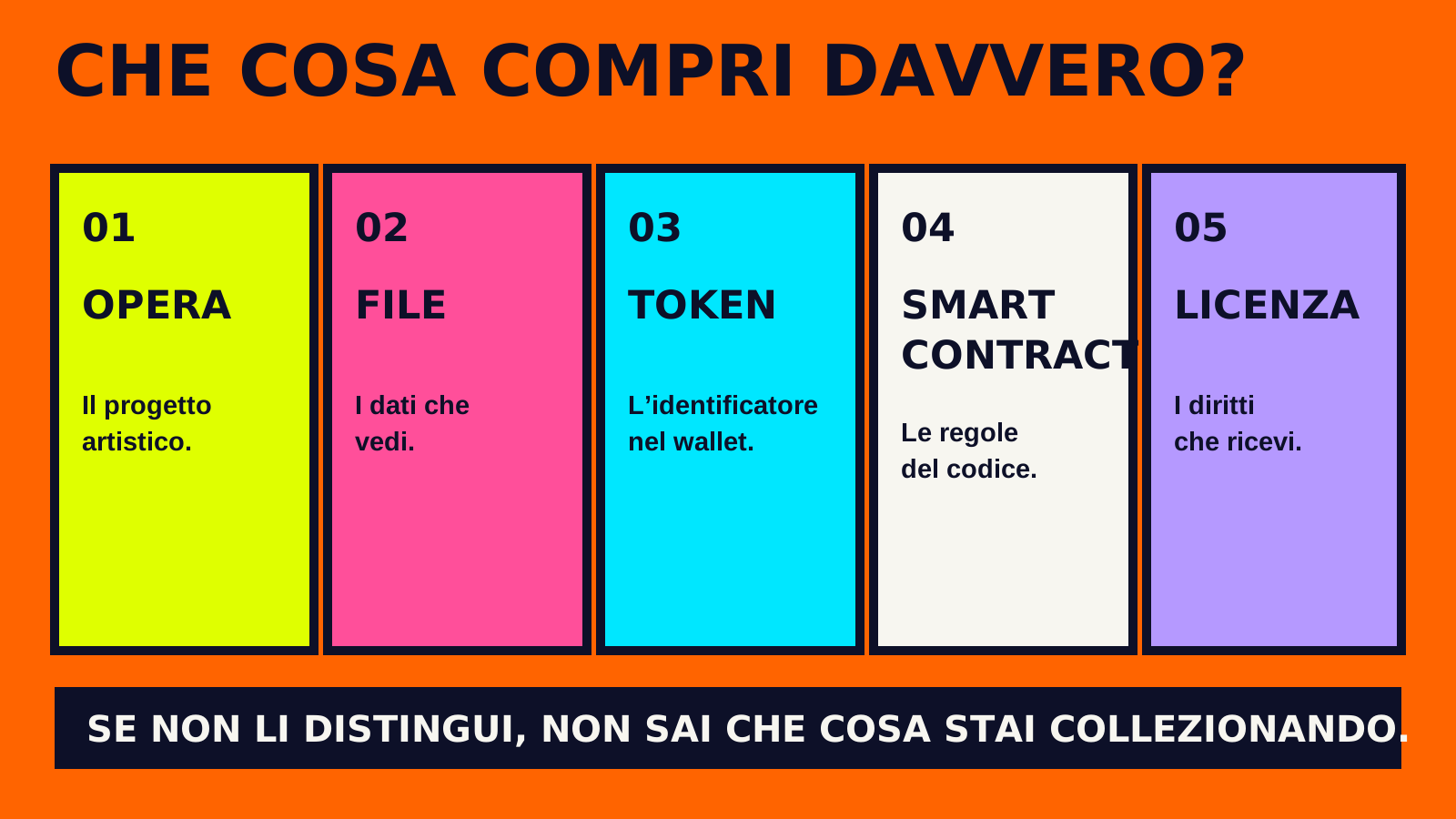
Separate five layers: artwork, file, token, smart contract and licence. Check storage, metadata, rights, edition, authenticity, software dependencies, display and conservation. Blockchain provenance helps but cannot replace a clear contract.
What remains: less hype, more digital art
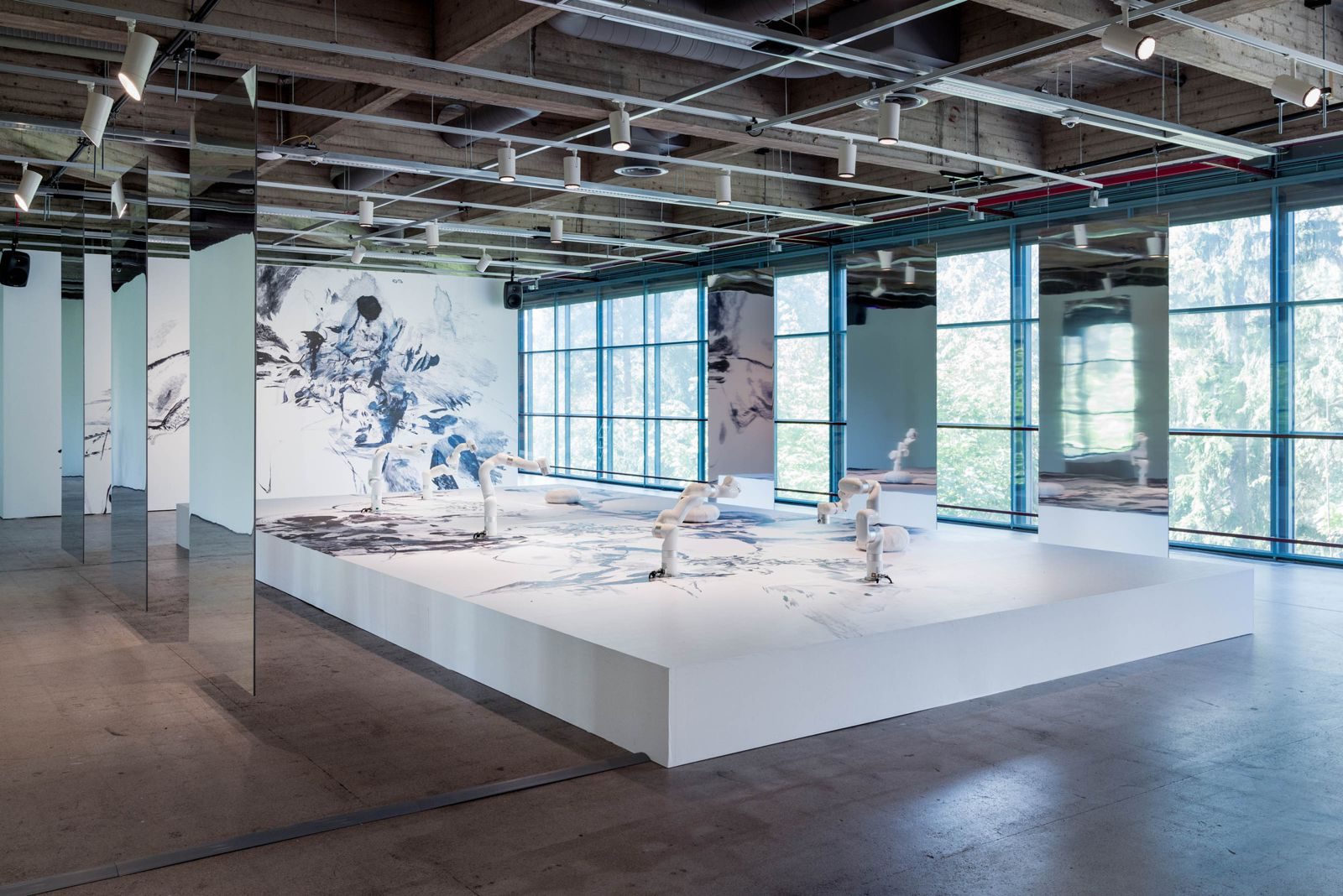
A useful infrastructure remains for certifying, transferring and programming certain works. Digital art in 2026 also includes AI, robotics, synthetic images, software, games, immersive installation and critical data practices.
Art Basel reported renewed attention: 51% of surveyed HNW collectors had bought digital art in 2025, while its share of collections rose from 3% to 13%. Refik Anadol, Sougwen Chung, Anna Ridler, Holly Herndon and Trevor Paglen point in very different directions.
A possible future: living works, not expensive receipts
A credible future consists of dynamic works, verifiable generative systems, museum conservation, better displays and contracts that clarify rights. Blockchain can become invisible infrastructure rather than the spectacle.
AI reopens the same danger: confusing novelty of tool with quality of art. Datasets, labour, authorship, energy and model changes must be legible parts of the project.
A method for collecting digital art after NFTs
Begin with artist and work: trajectory, continuity, edition, display and institutional context. Then verify master file, hardware, certificate, wallet, chain, contract, licence, backups, migration and future support.
Ask what you will see in ten years, who can maintain it and what rights you hold. If every answer depends on future token value, it is a speculative position dressed as culture.

Sixteen artists proving digital art is larger than NFTs
Beeple made daily digital image-making globally visible; Kevin McCoy linked token and provenance early; Pak used quantity, market and identity as materials. Rhea Myers, Harm van den Dorpel and Anna Ridler turn code, blockchain, datasets and speculation into critical questions rather than sales devices.
The longer history runs through Harold Cohen, Vera Molnár and Frieder Nake to Casey Reas and LIA. Sougwen Chung draws with robots trained on her gestures; Sofia Crespo imagines synthetic biology; Mario Klingemann questions generated portraiture; Refik Anadol builds data environments; Holly Herndon works on voice and shared identity; Trevor Paglen exposes AI infrastructures. Their incompatibility proves digital art is neither a style nor an investment class.
Works and visual paths
Sources and further reading
Sources allow readers to verify and explore. Official artist links are part of the feature, not an appendix.
- Christie’s · risultato ufficiale della vendita Beeple, 2021 ↗
- Art Basel e UBS · The Art Market 2022 ↗
- Art Basel e UBS · The Art Market Report 2025 ↗
- Art Basel e UBS · Survey of Global Collecting 2023 ↗
- Art Basel · Digital art finds renewed momentum, 2026 ↗
- Christie’s · scheda di Everydays: The First 5000 Days ↗
- Anna Ridler · Mosaic Virus, progetto ufficiale ↗
- Sougwen Chung · opere e ricerca ufficiale ↗
- Sofia Crespo · archivio ufficiale delle opere ↗
- Casey Reas · opere e progetti ↗
- LIA · arte generativa, archivio ufficiale ↗
 ADV
ADVAcquistare Arte recommends: Resin-sealed books, words and layered images turn melancholy into a material narrative.
Painting · memory · collage
Open profile ↗