Complete guide · Investing in contemporary art
Investing in Art in 2026: The Complete Guide to Serious Collecting
A complete 2026 guide to major contemporary art: blue-chip artists, editions, authentication, provenance, costs, risks and ten mid-career practices to study.
What does blue chip mean in contemporary art?
In the art market, “blue chip” describes an artist with durable critical and institutional recognition, museum holdings, specialist literature, professional representation and enough transaction history to support meaningful comparisons. It is not an official label and it never means risk-free.
The Art Basel and UBS Art Market Report 2026 describes a market divided by channel, price band and geography. Even at the top, a major painting, a drawing, a photograph and an edition by the same artist belong to different markets. Investing expects a future net resale gain; collecting can deliver cultural value immediately. The two motives may coexist, but artistic importance is not a financial promise.

Six contemporary blue-chip artists, six different markets
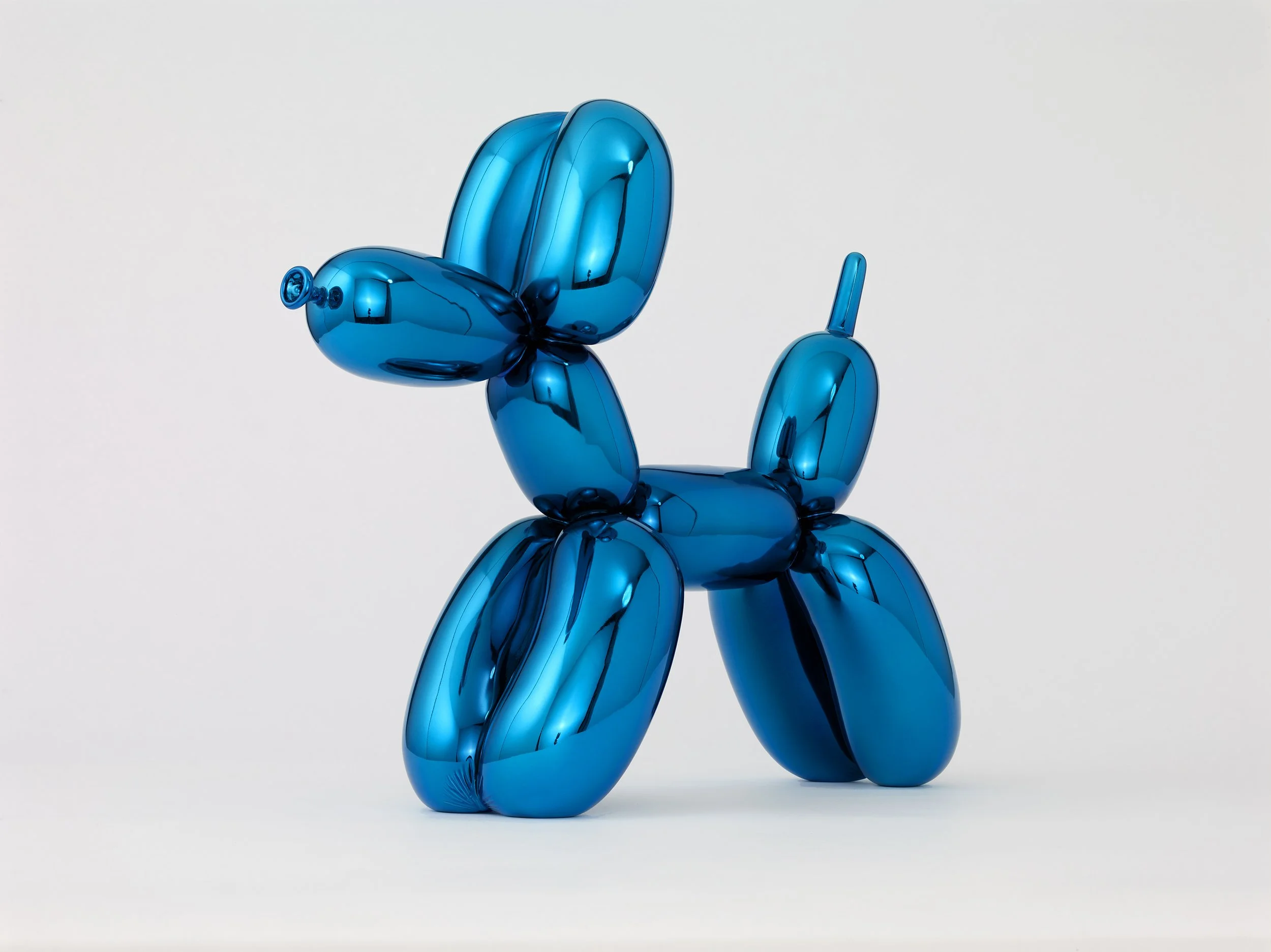
Jeff Koons. Monumental Celebration sculptures, unique works, authorised multiples and editioned objects differ in material, scarcity and market. Koons’s official editions archive records the 2021 porcelain Balloon Dog (Blue) in an edition of 799 plus 50 artist’s proofs. An iconic image may therefore exist in radically different economic categories.
Maurizio Cattelan. Value rests on the idea, exhibition history and exact identification of the work, rather than the amount of material used. The Guggenheim artist record provides verifiable titles, dates, materials and dimensions. For conceptual installations, clarify the certificate, installation instructions, replaceable components and rights of reconstruction.
Gerhard Richter. His market includes photo-paintings, abstractions, works on paper, overpainted photographs and editions. The official catalogue raisonné records catalogue number, date, medium, history and bibliography. Period and series matter as much as the signature.
Yayoi Kusama. Infinity Nets, pumpkins, sculpture, mirror rooms and prints are not interchangeable. The Yayoi Kusama Museum traces Infinity Nets from the 1950s and New York. Collectors must separate historic bodies of work, later variants, fine-art editions and licensed products.
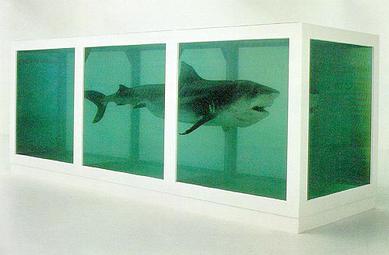
Damien Hirst. Formaldehyde animals, vitrines, Spot Paintings, Spin Paintings, butterfly works and prints have different supply chains and availability. The official page for The Physical Impossibility of Death in the Mind of Someone Living shows how conservation, material replacement and object history can become part of valuation.
Cindy Sherman. Her photography constructs characters and tests the politics of representation. MoMA holds the complete Untitled Film Stills, made from 1977 to 1980. Edition number, format, print date, signature, provenance and the difference between vintage and later prints all require checking.

Unique work, edition, multiple or collectible product?
A unique canvas, numbered photograph, editioned sculpture, signed multiple, poster and licensed object may share an image without sharing status. Ask for medium, dimensions, edition number, total edition, artist’s proofs, publisher, signature and certificate.
Lower-cost access to a blue-chip name often means works on paper, photographs or prints. Compare like with like within the same edition. An open edition or museum product may be excellent to live with, but it is not rare. Our museum-edition guide explains the categories.
Authentication, provenance and catalogues raisonnés
Due diligence begins with the exact object: artist, title, year, medium, support, dimensions, signature, edition and condition. Reconstruct provenance through invoices, ownership history, exhibitions, publications and front-and-back photographs. Christie’s provenance guide separates documentation from vague prestige.
Identify the recognised authentication body: archive, foundation, estate, committee or the artist. A certificate alone does not settle every doubt. Richter’s catalogue number is central; for Cattelan, Hirst or an installation, instructions, components and reinstallation terms may be equally important.
Request a recent condition report and high-resolution images. Print date can matter for Sherman; scratches and restoration matter on Koons’s mirror surfaces; organic or complex works by Hirst create specific conservation duties.
Liquidity, auction records and the real cost
An auction record describes one contest, not every work by that artist. Useful comparables match series, year, medium, size, edition, provenance and condition. Estimates and asking prices are not realised proceeds. Liquidity means being able to sell within a reasonable period without a severe discount, and it varies sharply between iconic and peripheral works.
Add buyer’s premium or commission, tax, resale royalty where applicable, specialist transport, insurance, storage, installation, framing and conservation. Christie’s financial terms show why the hammer price is not the final outlay.
Illustration only: a €100,000 work plus 25% in fees and charges costs €125,000 before insurance. If a later sale retained 20%, the realised price would need to reach €156,250 merely to recover €125,000 before tax and carrying costs. These hypothetical rates show the gap between gross appreciation and net return.
.jpg)
A purchasing method for major contemporary art
Define the role of the acquisition: collection anchor, museum-level work, entry edition or diversification. Set an all-in ceiling and a realistic holding period. Do not lock short-term capital into an illiquid asset.
Before payment obtain in writing: full description, seller identity and title, provenance, certificate, bibliography, exhibitions, condition report, images, final price, tax, shipping, insurance, sale terms and governing law. Use qualified advisers for import, export and taxation.
After purchase, build a physical and digital file, record condition and location, schedule conservation checks and update insurance and valuation. The collecting guide provides a simple archive structure.
When should a collector walk away?
Walk away when returns are presented as guaranteed, provenance remains vague, independent checks are blocked, the certificate is not recognised, condition is undocumented or time pressure replaces information. The same applies when borrowing forces a sale by a fixed date.
An exceptional work can still be wrong for your finances, space or time horizon. Discipline includes letting it go when the evidence does not support the price.
Ten mid-career artists who can stand beside the greats
This is neither a ranking nor a claim that these markets equal Koons, Cattelan, Richter, Kusama, Hirst or Sherman. These are ten mature practices able to sustain a serious visual and critical conversation. Market depth, transparency, liquidity and sales history remain very different; cultural quality does not create the same financial opportunity.
Firelei Báez. Painting joins body, diaspora, cartography and rewritten history. Hauser & Wirth documents works, exhibitions and texts. Study her ability to combine monumental scale with political density.
Christina Quarles. Ambiguous bodies and unstable spaces turn figuration into a perceptual and social problem. Her official website records projects and exhibitions. Compare canvases from similar periods and sizes rather than treating demand as a guarantee.
Tala Madani. Painting, animation and satire stage power, shame and collective behaviour. 303 Gallery documents the continuity of the practice. Her work can face the figurative tradition without imitating it.
Tomás Saraceno. Suspended structures and environmental projects connect art, architecture and science. The artist’s studio explains this complex international practice. Editions, technology, maintenance and reinstallation rights require precise documentation.
Otobong Nkanga. Land, extraction, materials and circulation move through drawing, textile, sculpture and performance. Her official website places single images within the wider practice. She matters to collections addressing ecology and geopolitics.
Chiharu Shiota. Thread installations build spaces of memory, absence and connection. Her official website documents projects and works. Distinguish an installation from its maquette, preparatory drawing or edition, and verify reinstallation instructions.
Tschabalala Self. Painting, sewing, print and fabric construct bodies concerned with identity, desire and representation. Her official website shows the range of the practice. Material construction is central to condition assessment.
Idris Khan. Layered photographs, text, music and marks turn repetition into visual memory. Victoria Miro provides chronology, works and bibliography. Format, medium and edition separate photographs, paintings and sculpture.
Wangechi Mutu. Collage, sculpture, film and installation build hybrid figures around diaspora, body, myth and future. The MoMA profile offers a verifiable institutional reference. Each market segment still needs separate analysis.
Massimo Scognamiglio. Active since 1998, he has consistently worked between photography, painting and digital image, addressing body, identity and memory. His full biography documents exhibitions and institutional presences; press recognition adds further sources. His inclusion concerns the continuity of a mid-career practice and its formal dialogue with international research, not market equivalence with blue-chip artists.
Sources and further reading
Sources allow readers to verify and explore. Official artist links are part of the feature, not an appendix.
- Economia Italia · guide to art investment ↗
- Art Basel and UBS · Art Market Report 2026 ↗
- Mediobanca Research Area · art report summary ↗
- Christie’s · financial terms and buyer’s premium ↗
- Christie’s · condition reports ↗
- Christie’s · provenance ↗
- Jeff Koons · official editions archive ↗
- Guggenheim · Maurizio Cattelan ↗
- Gerhard Richter · official catalogue raisonné ↗
- Yayoi Kusama Museum · Infinity Nets ↗
- Damien Hirst · The Physical Impossibility of Death ↗
- MoMA · Cindy Sherman, Untitled Film Stills ↗
- Hauser & Wirth · Firelei Báez ↗
- Christina Quarles · official website ↗
- 303 Gallery · Tala Madani ↗
- Tomás Saraceno · official studio ↗
- Otobong Nkanga · official website ↗
- Chiharu Shiota · official website ↗
- Tschabalala Self · official website ↗
- Victoria Miro · Idris Khan ↗
- MoMA · Wangechi Mutu ↗
- Massimo Scognamiglio · full biography ↗
- Massimo Scognamiglio · press recognition ↗
 ADV
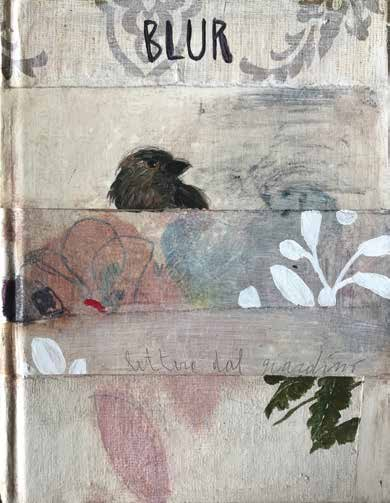
ADVAcquistare Arte recommends: Resin-sealed books, words and layered images turn melancholy into a material narrative.
Painting · memory · collage
Open profile ↗