
Practical guide · Budget and collecting
How to build an art collection with €20,000: four strategies and 24 artists
One anchor work, three mid-career artists, six emerging names or a hybrid model: complete budgets, hidden costs, artists to research and a method for building a coherent collection.
First rule: the €20,000 is not all artwork price
A €20,000 budget is large enough for quality choices and still small enough to make structure decisive. Before looking for a name, separate purchase price from total cost: artwork, tax, commission, transport, framing, installation, insurance and a contingency reserve.
A prudent split puts €15,000–17,000 into works and keeps €3,000–5,000 for everything else. At auction, calculate the ceiling from the final invoice: with a 28% buyer’s premium, a €15,625 hammer already reaches €20,000 before tax and shipping. At a gallery, request a written all-in quotation.
Capital should serve an idea: one anchor work, three mature practices, six discoveries or a hybrid nucleus. Each produces a different collection and risk.
Strategy 1: one anchor work
Budget example: €15,000 for the work, €2,000 for transport, framing and insurance, and €3,000 in reserve. Concentration can buy better quality, scale and provenance, but ties everything to one decision.
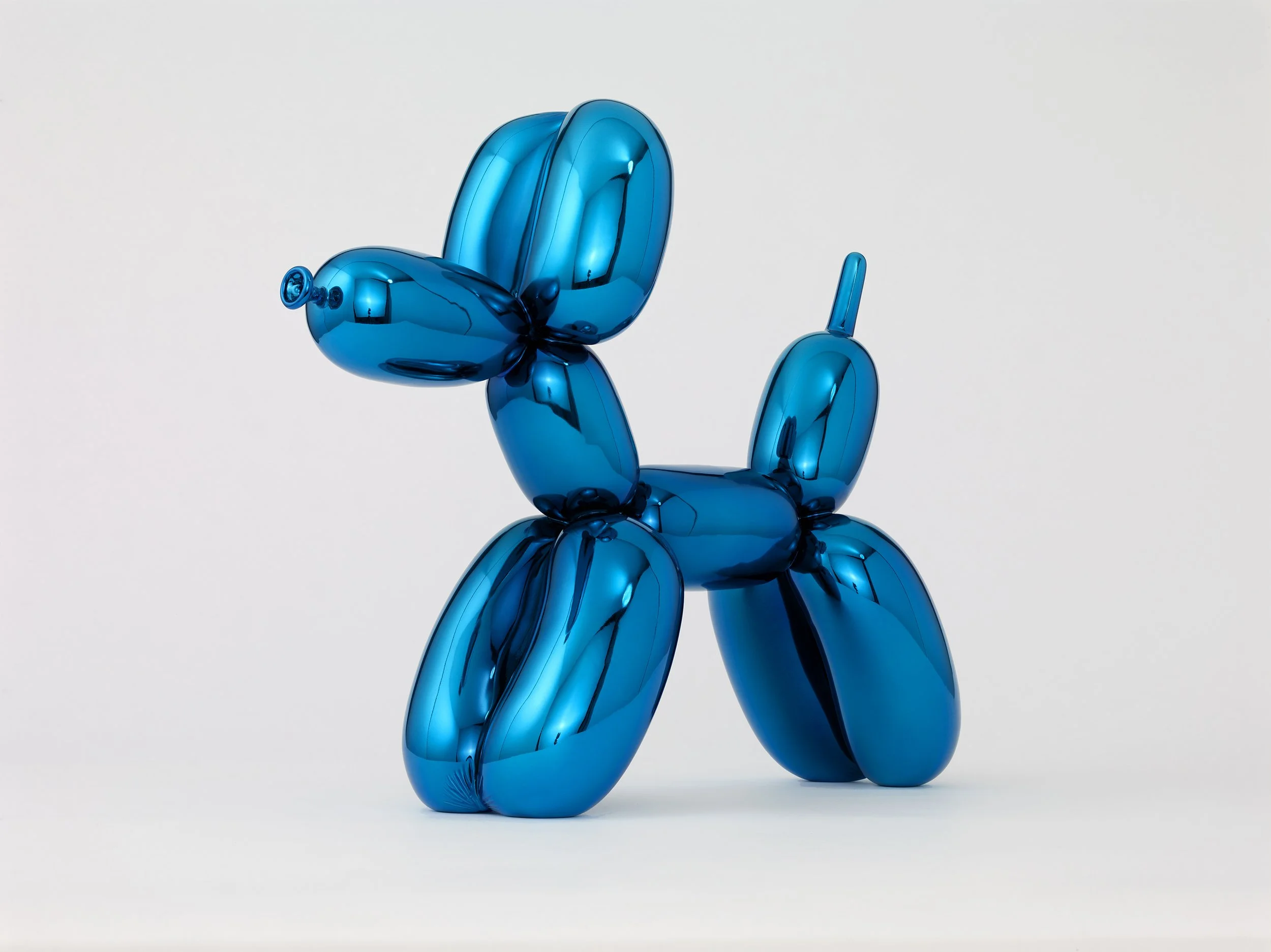
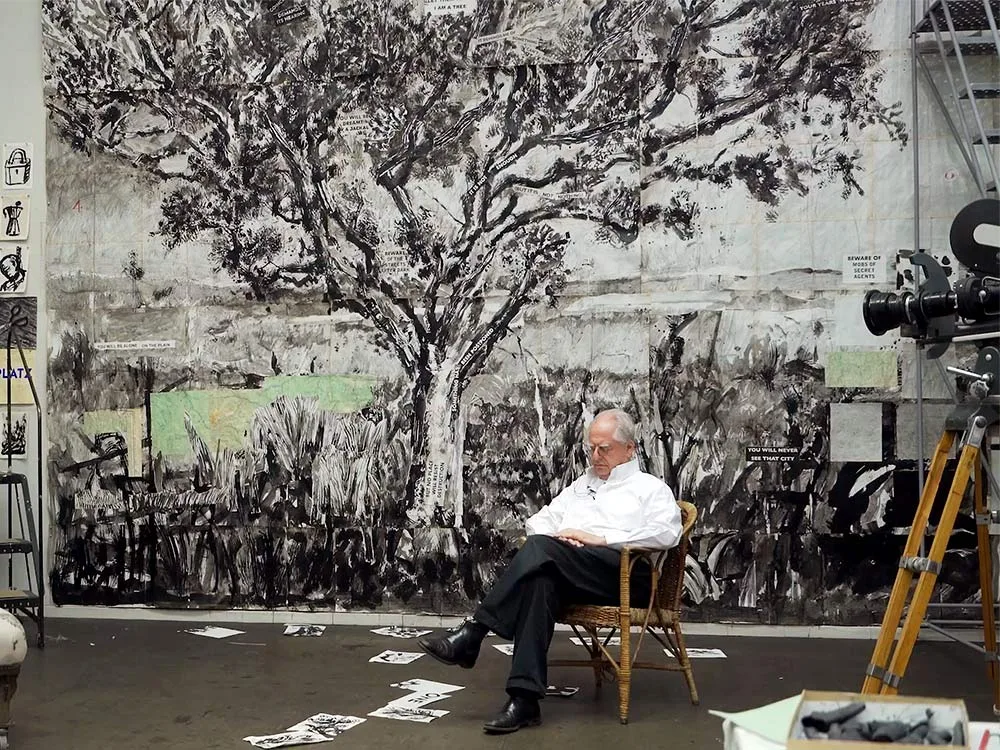
€15,000 will not normally buy an iconic unique work by Jeff Koons, Yayoi Kusama or Takashi Murakami. It can open research into editions, photographs, works on paper and multiples by Jeff Koons, Yayoi Kusama, Takashi Murakami, Tracey Emin, William Kentridge and David Shrigley. Edition, publisher, signature, format, date and condition define the category.
Choose one work only when it represents the practice, rather than merely being the cheapest object bearing the name. Compare at least five related works.
Strategy 2: three mid-career artists
Budget example: €6,500 + €5,000 + €3,500 for three works, €3,000 for costs and €2,000 in reserve. This reduces dependence on one artist while retaining enough capital for unique works, strong works on paper or tightly editioned photographs.
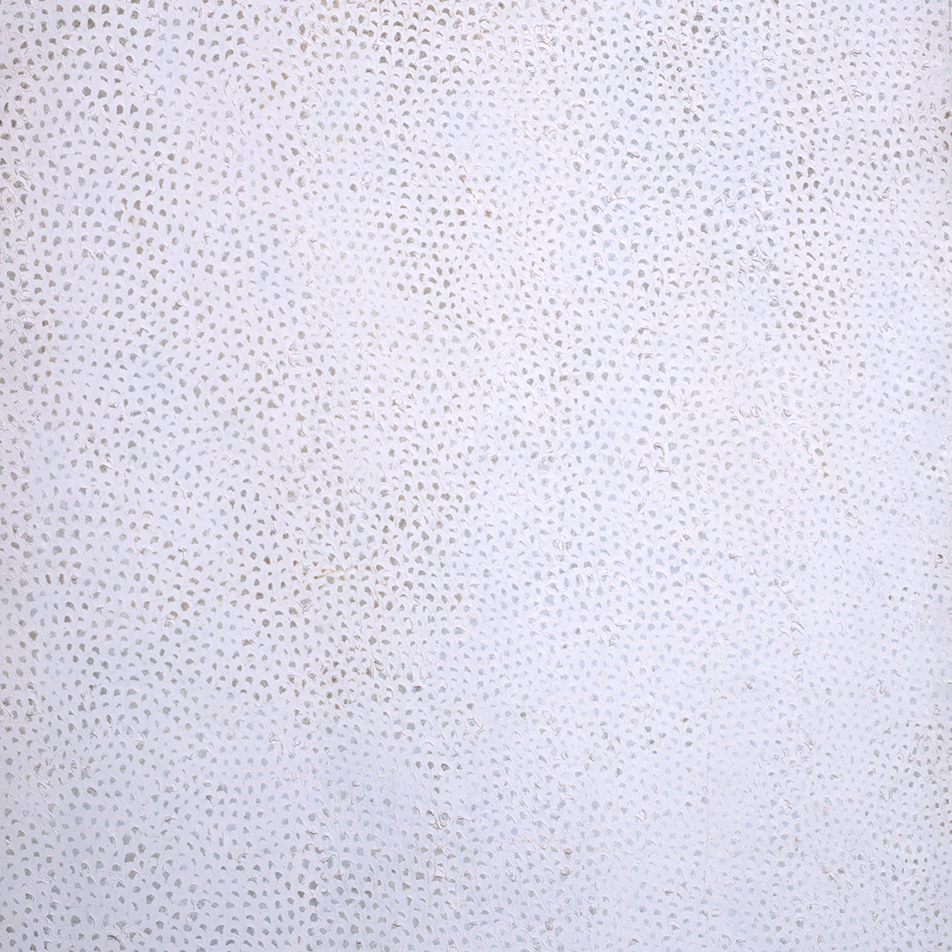
Research Rana Begum, Shilpa Gupta, Kapwani Kiwanga, Marinella Senatore, Idris Khan, Chiharu Shiota and Otobong Nkanga. Do not assume every work fits: ask for paper, photography, editions or formats integral to the main practice.
Massimo Scognamiglio, active since 1998 across painting, photography and digital image, has a documented mid-career practice in his full biography, press record and PagoSì profile.
Choosing 2–4 mid-career artists without buying marginal work
Mid-career artists offer history: solo exhibitions, institutions, galleries, publications and recognisable series. The trap is buying a weak work simply because it costs less than the central pieces. Map decisive works, coherent developments and marginal products.
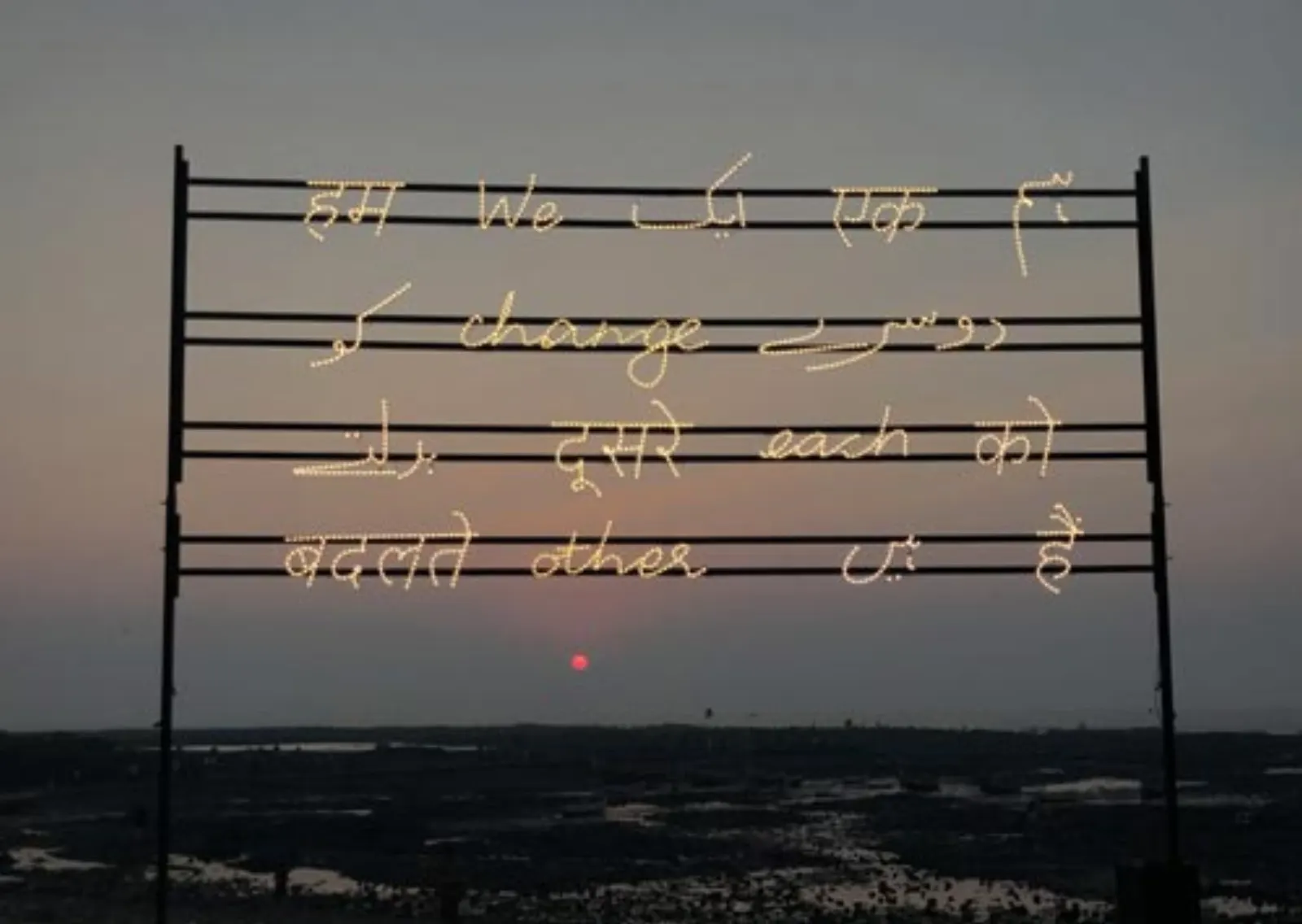
Rana Begum moves across reliefs, paper, painting and environments; Shilpa Gupta from drawing and photography to sound and light; Kapwani Kiwanga uses textiles, ceramics and installation to examine power and history; Marinella Senatore joins collage, luminarie, performance and participation. Medium changes costs, care and resale.
With four artists, do not force equal shares. Give more to the strongest work and less to an edition or drawing. Quality, rather than accounting symmetry, creates balance.
Strategy 3: six emerging artists
Budget example: six works averaging €2,350, totalling €14,100; €3,600 for frames, shipping and insurance; €2,300 in reserve. Diversification rises, but so does research. Six unstudied names do not make a collection.
Artsy reports that 61% of surveyed collectors in 2025 typically considered works below $5,000 and 72% were drawn to emerging artists. Its Foundations selection presented unique works at roughly $650–2,200. These are access data, not growth forecasts.
A research list includes Mara Faúndez, Huang Zhe, Patrick Alston, Nandini Bagla Chirimar, Bade Fuwa, Juwon Aderemi, Damola Adepoju, Emmanuel Chidube, Kwamé Gomez and Raina Lee. “Emerging” describes a professional phase, not age or a guarantee.
What to check below €3,000
Ask whether the work is unique, serial or editioned; verify medium, support, size, year, signature, certificate, provenance and condition. For paper and photography, confirm mounting materials, total edition, artist’s proofs and print date.
Low prices do not remove fixed costs. Six separate shipments and frames can consume more than one delivery. Coordinate purchases or fair collection, and accept existing frames only when materials are conservation safe.
Study continuity: at least two exhibitions, a conversation or critical text, a responsible gallery or platform, and a body of work wider than the offered object. Following an artist for twelve months can be more valuable than buying immediately.
Strategy 4: the hybrid portfolio
Example totalling €20,000: €8,000 for one mid-career work, €6,600 for three emerging works at €2,200, €1,400 for an edition, €2,000 logistics and €2,000 reserve. It combines an anchor, three discoveries and a serial work by a more established name.
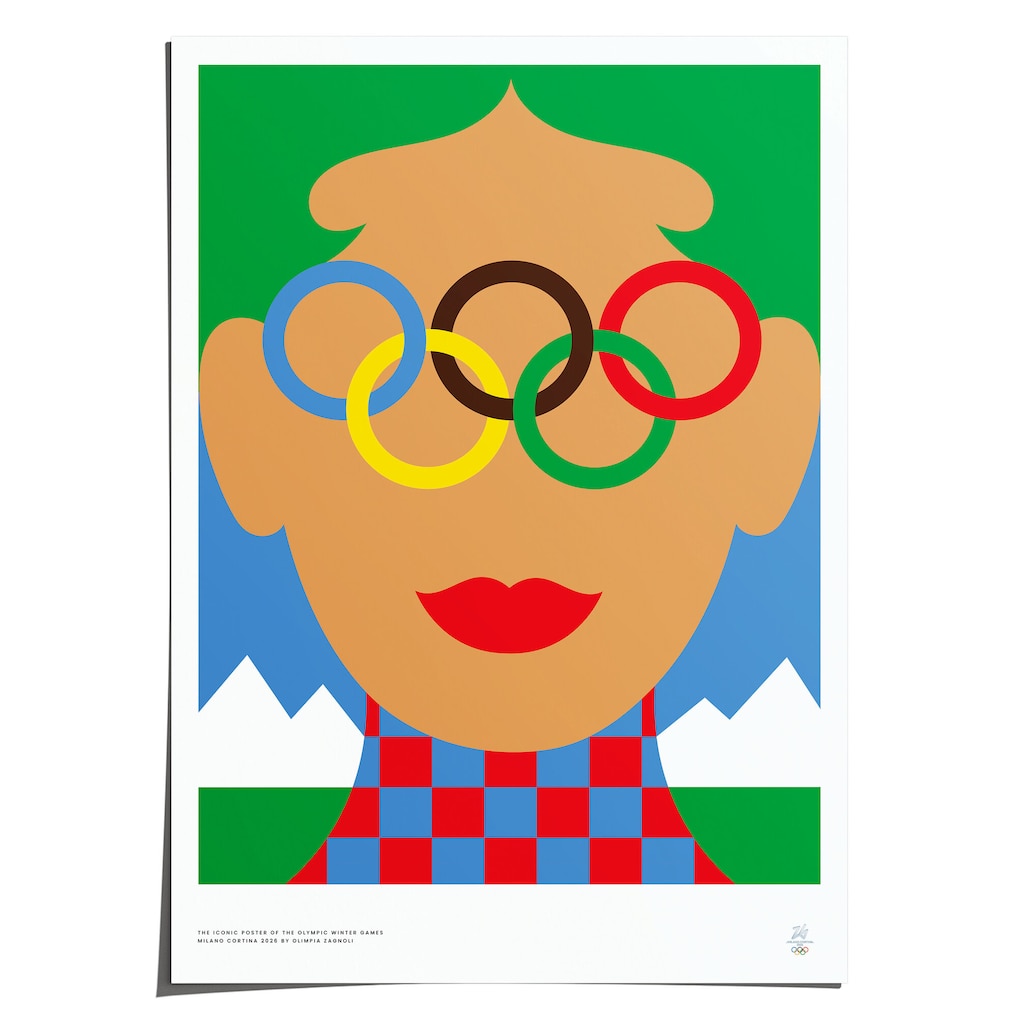
The edition might be by David Shrigley, Takashi Murakami, Yayoi Kusama or Olimpia Zagnoli, but buy it for editorial clarity and material quality. Open edition, poster, numbered screenprint and editioned sculpture are different objects. The museum editions guide separates them.
The mid-career work can establish the question and emerging artists complicate it: light and space with Rana Begum, participation with Marinella Senatore, domestic memory with Mara Faúndez and material abstraction with Patrick Alston. Coherence does not require visual similarity.
Build a collection, not a financial basket
Choose a question that crosses artists and media. Body and identity can connect Shilpa Gupta, Otobong Nkanga and Mara Faúndez; light and architecture can bring together Rana Begum, Marinella Senatore and Chiharu Shiota; material and language can link Patrick Alston, Idris Khan and Nandini Bagla Chirimar.
Write a one-page intention before buying: what you want to examine, accepted media, manageable dimensions and missing positions. Update it after each purchase. If a new work does not sharpen the question, it may only be a distraction.
Diversification reduces reliance on one name but does not turn art into a liquid fund. Future price still depends on demand, quality, provenance, condition, costs and time.
Documents, inventory and due diligence
Keep invoice, certificate, technical sheet, front and back images, condition report, correspondence, payment proof, shipping data and mounting instructions. Art Basel notes that knowing and cataloguing what you own is the collection’s first practical task.
Record inventory number, artist, title, year, medium, dimensions, signature, edition, seller, all-in cost, location, insurance and image rights. For video, software and installation add masters, checksums, replaceable hardware and restaging protocols.
Compare genuinely similar works and seek independent conservation advice when materials or condition require it. A certificate does not replace provenance; social following does not replace exhibitions, works and documentation.
A twelve-month plan for spending €20,000
Months 1–3: define theme, space and all-in ceiling; visit at least twelve exhibitions and list twenty artists without buying. Months 4–6: reduce the list to eight, request dossiers, full prices and availability; compare three works per artist.
Months 7–9: buy the first work only after checks and let it orient later choices. Months 10–12: complete the nucleus without any duty to exhaust the budget. Keeping €3,000 is better than buying a weak work merely to reach a number.
Do you want to collect one great image, three mature paths, six discoveries or a dialogue between generations? The €20,000 works when it makes that answer legible.
Sources and further reading
Sources allow readers to verify and explore. Official artist links are part of the feature, not an appendix.
- Artsy · Art Market Trends 2025 ↗
- Artsy · affordable works at Foundations 2025 ↗
- Artsy · how to collect emerging artists ↗
- Art Basel · how to build a collection ↗
- Art Basel · the hidden work behind a collection ↗
- Christie’s · buyer’s premium and costs ↗
- Christie’s · auction buying guide ↗
- Jeff Koons · official editions archive ↗
- Yayoi Kusama Museum · Infinity Nets ↗
- David Shrigley · official editions ↗
- Takashi Murakami · official site ↗
- Tracey Emin · official site ↗
- William Kentridge · official site ↗
- ICA · William Kentridge, Self-Portrait as a Coffee-Pot ↗
- Rana Begum · biography and works ↗
- Shilpa Gupta · official biography ↗
- Kapwani Kiwanga · Goodman Gallery ↗
- Marinella Senatore · official site ↗
- Idris Khan · Victoria Miro ↗
- Chiharu Shiota · official site ↗
- Otobong Nkanga · official site ↗
- Massimo Scognamiglio · full biography ↗
- Massimo Scognamiglio · press recognition ↗
- PagoSì · Massimo Scognamiglio ↗
- Mara Faúndez · Isabel Croxatto Galería ↗
- Patrick Alston · Jenkins Johnson Gallery ↗
- Nandini Bagla Chirimar · official site ↗
- Artsy · artists and works under $5,000 ↗
 ADV
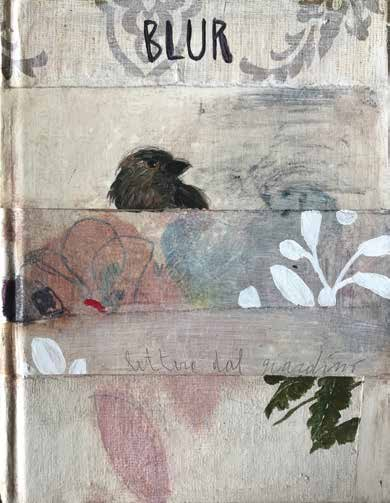
ADVAcquistare Arte recommends: Resin-sealed books, words and layered images turn melancholy into a material narrative.
Painting · memory · collage
Open profile ↗