Dossier · Five countries, five living archives
Five historic European galleries: history, continuity and communication in 2026
Italy, France, England, Germany and Switzerland: five galleries active for at least sixty years and the ways they turn archives, exhibitions and digital tools into public relationships.

Five addresses, one question
What remains when a gallery crosses generations, economic crises, changes of address and technological shifts? Not only a brand: a way of choosing artists, building exhibitions and preserving memory. This article follows five European galleries still active in 2026, one per country, each with at least six decades of documented history.
They differ in scale and programme: an Italian family gallery, a Paris laboratory born with conceptual art, a London house that has just moved, a German gallery tied to post-war painting and a Swiss address that expanded the relationship between gallery, collection and museum.
1 · Italy — Sisters Tega, since 1964
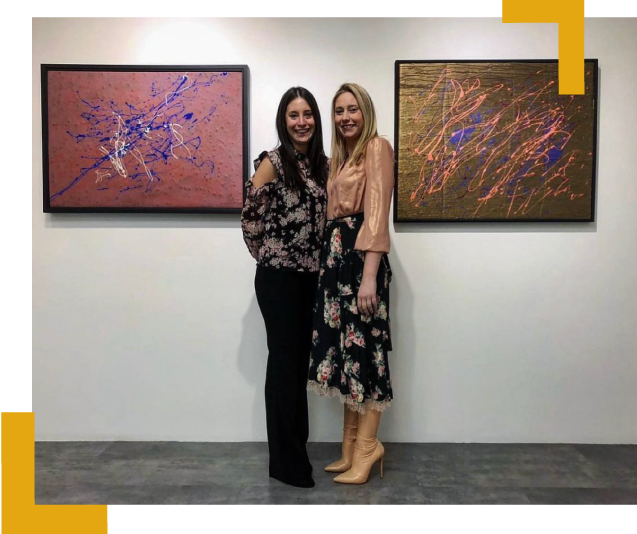
Dino Tega opened his first gallery in Riccione in 1964 with an exhibition devoted to Filippo De Pisis. The programme grew through Milan, international fairs and the Italian post-war avant-garde: Burri, Fontana, Manzoni, Castellani, Dadamaino, Bonalumi, Kounellis, Melotti and Rotella are documented in the official history.
In 2006 the Pietrasanta space opened and, since 2012, Eleonora and Francesca Tega have worked alongside their father. In 2026 continuity appears through a bilingual website, artist pages, an origins archive and a fair calendar.
2 · France — Galerie Templon, since 1966
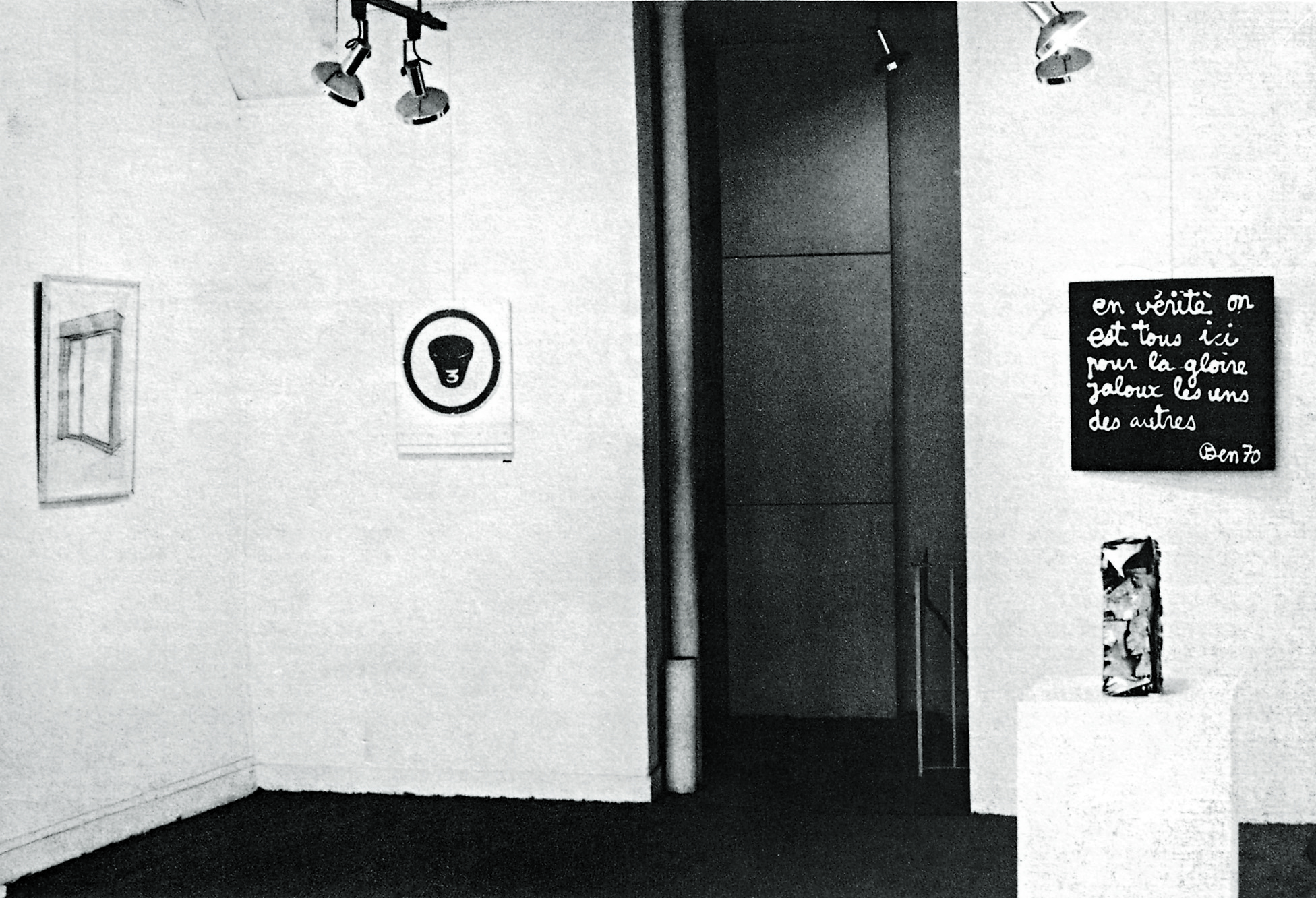
Daniel Templon founded the gallery in Paris in 1966. Its story is intertwined with Art Press and the arrival in France of conceptual, minimal and post-minimal practices. The gallery kept an international programme without abandoning its archive.
In 2026 the Templon website works like an editorial desk: On View, calendar, news, biographies, PDFs and an archive reaching back to 1966. Recent exhibitions turn online browsing into a way to follow works, dates and materials before visiting.
3 · England — Annely Juda Fine Art, since 1968
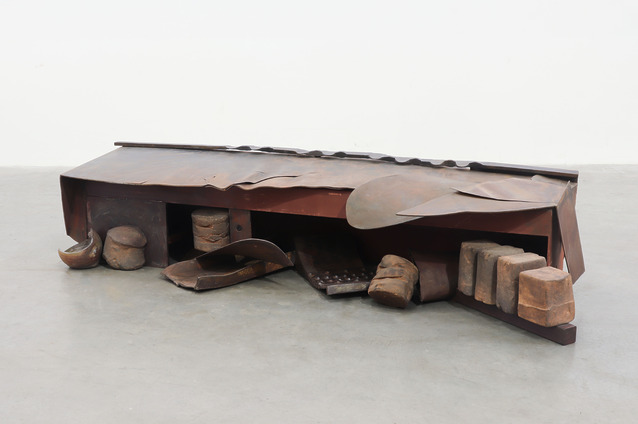
Annely and David Juda opened the gallery in 1968 at Tottenham Mews. After more than three decades on Dering Street, the programme moved in 2025 to 16 Hanover Square, a listed address in Mayfair.
The gallery represents David Hockney, David Nash and Suzanne Treister, alongside the estates of Anthony Caro, Naum Gabo and Leon Kossoff. In 2026 it communicates through an updated homepage, newsletter, exhibition videos, biographies and an explicit anti-fraud notice.

4 · Germany — Galerie Michael Werner, since 1963
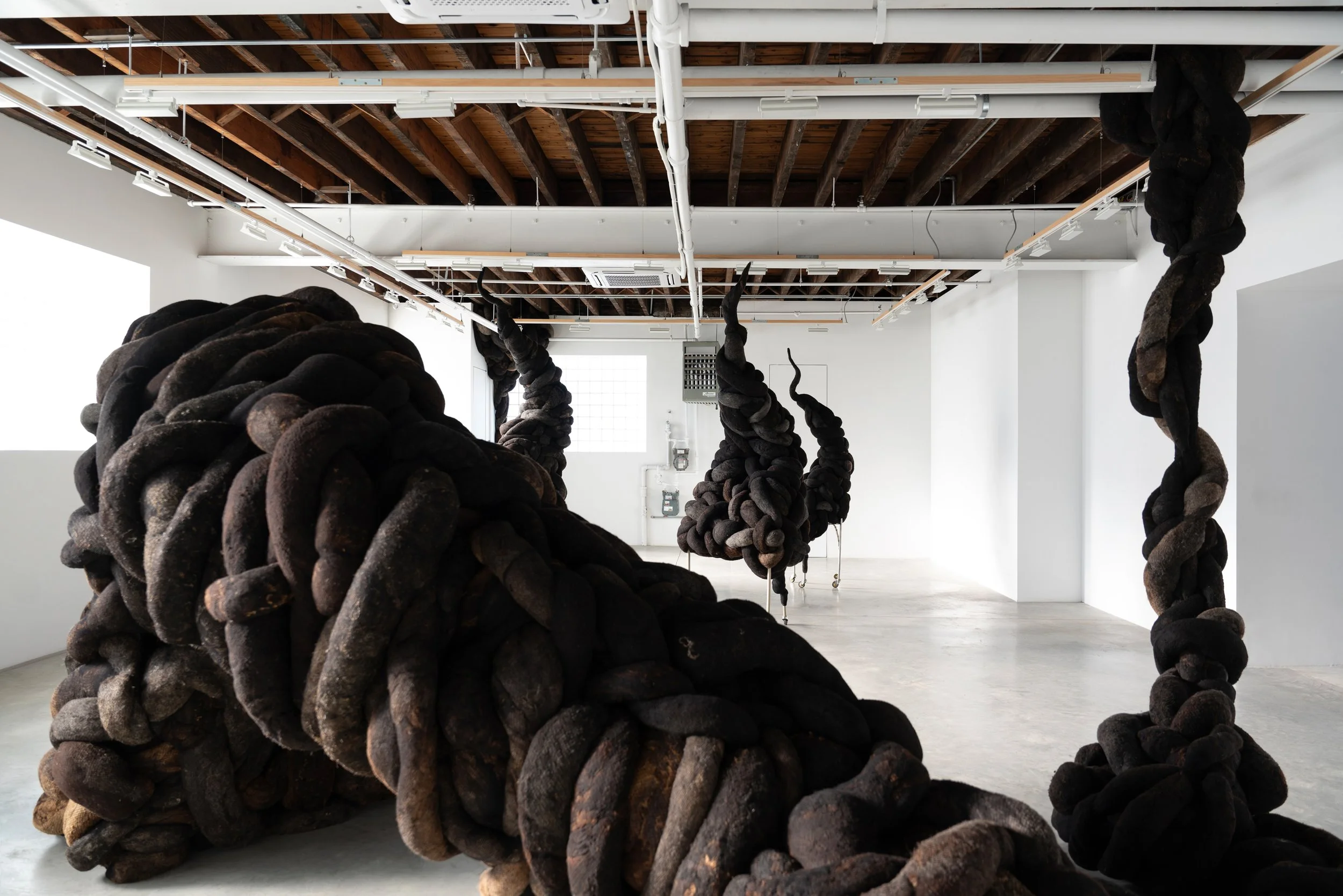
In 1963 Michael Werner opened Werner & Katz in Berlin with Benjamin Katz; in 1964 he presented the first Orthodox Salon in a former coal shop. The opening with Georg Baselitz is now a key page in post-war German painting. Werner moved to Cologne in 1968 and continued as Galerie Michael Werner from 1969.
The official page updated in 2026 records another transition: after the partnership with Gordon VeneKlasen ended in late 2025, the gallery continues with a Berlin focus. Its German and English site brings artists, exhibitions, releases and history together.
5 · Switzerland — Galerie Bruno Bischofberger, since 1963
Bruno Bischofberger founded his Zurich gallery in 1963. Its programme crossed Pop Art, Minimalism, conceptual art and the New York scene, with Andy Warhol, Jean-Michel Basquiat, Keith Haring and Roy Lichtenstein among its artists. Publications, museum loans and collaborations expanded the gallery’s role.
In 2026 the website communicates a major transition: Bruno Bischofberger’s death is announced for 9 May, while family and staff state that they will preserve his legacy. News, history, artists, collections and shop remain accessible online.
How they communicate in 2026
The five galleries use the web as a second exhibition space, with different emphases. Templon foregrounds chronology; Annely Juda foregrounds venue, newsletter and security; Sisters Tega combines family history, artists and fairs; Michael Werner works bilingually; Bischofberger joins memory, news, collections and shop.
For collectors the difference is practical. A useful page should identify artist, title, year, medium, size, exhibition, sale conditions and a verifiable contact. Social media can signal an opening, but confirmation should come from the official domain or representative.

Old photographs are evidence
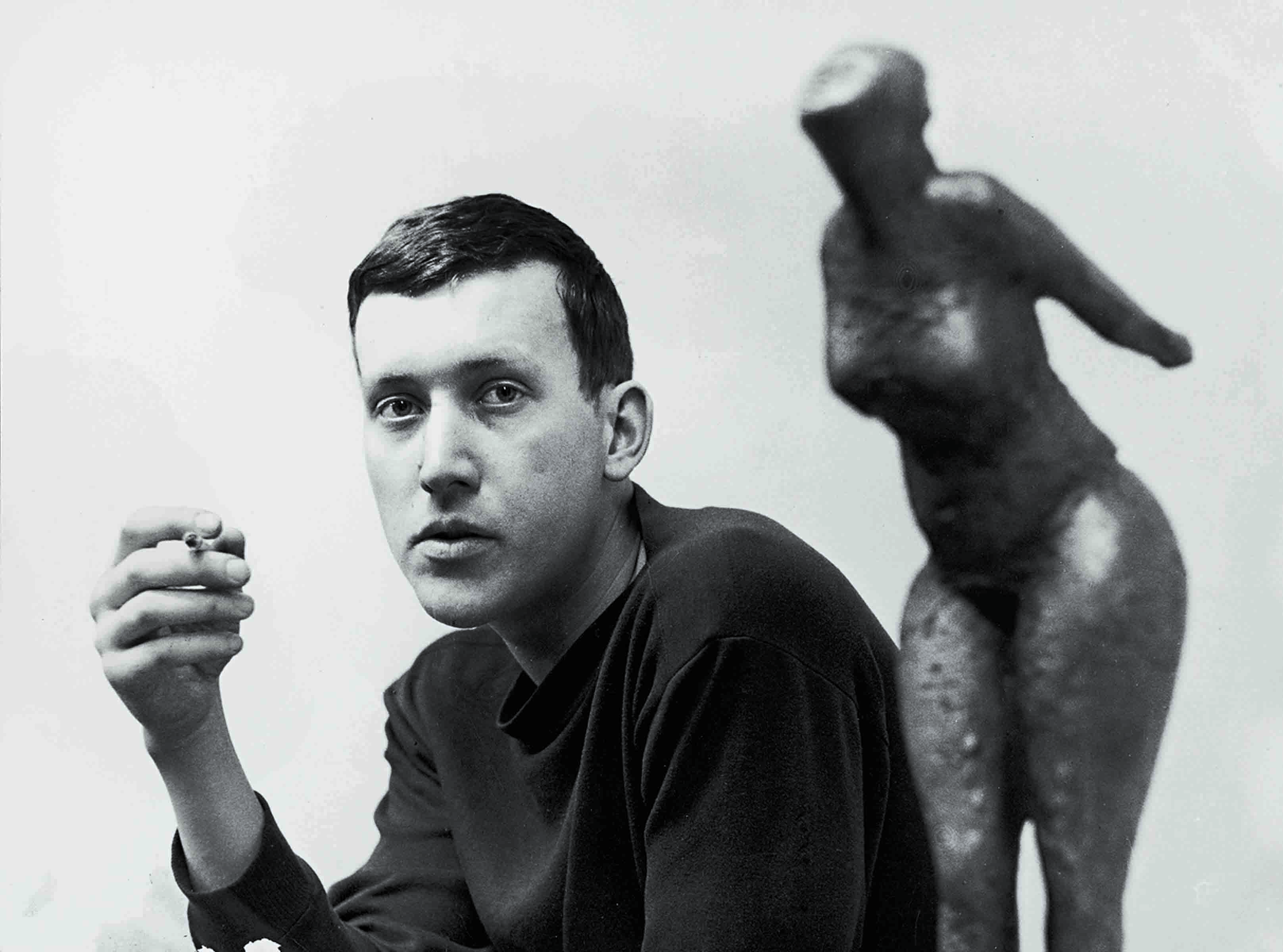
A 1968 interior, a 1993 advertisement or a portrait beside a 1964 painting shows what a chronology cannot: the distance between an artwork and its audience, the scale of a room and how a dealer framed an artist. These are documents to caption precisely, not anonymous backgrounds.
Each image here includes a credit and source page. The same discipline helps collectors build an inventory and share exhibition images responsibly.

A checklist before visiting or writing
Verify founding year and current address; read the gallery history; check the current show and archive; find the contact on the official domain; request technical sheet, certificate, provenance and costs; keep correspondence; compare the work with the same series; visit in person when possible.
Longevity is not a return guarantee. It is context: a network of expertise and documents that helps a collector buy with greater awareness.

Sources and further reading
Sources allow readers to verify and explore. Official artist links are part of the feature, not an appendix.
- Sisters Tega · official history ↗
- Sisters Tega · artists and programme ↗
- Galerie Templon · history since 1966 ↗
- Galerie Templon · exhibitions and archive ↗
- Annely Juda Fine Art · about ↗
- Annely Juda Fine Art · 2026 contact ↗
- Galerie Michael Werner · history ↗
- Galerie Michael Werner · 2026 update ↗
- Art Basel · Michael Werner interview and archive photograph ↗
- Galerie Bruno Bischofberger · history and collections ↗
- Galerie Bruno Bischofberger · website and news ↗
- Artnet · Bruno Bischofberger advertising archive ↗
 ADV
ADVAcquistare Arte recommends: Resin-sealed books, words and layered images turn melancholy into a material narrative.
Painting · memory · collage
Open profile ↗