Practical guide · Buying from a studio
How to buy art directly from an artist: a contact guide with 20 mid-career names
How to find the right channel, write to a studio, check documents and build a collection with 20 mid-career artists and transparent budget questions.
Buying directly does not mean skipping mediation
Writing to an artist can open a slower, more precise relationship: you discuss the series, format, production time and the way a work will enter a home. Direct contact does not remove galleries, curators or rights; it clarifies who is selling, which conditions apply and who will handle delivery and documents.
The first rule is to separate access from improvisation. An artist may sell from a studio, through an agent, a gallery or an online partner. Use the channel named on the official website or representative page, not an address found in an unverified account.
Where to find a reliable contact
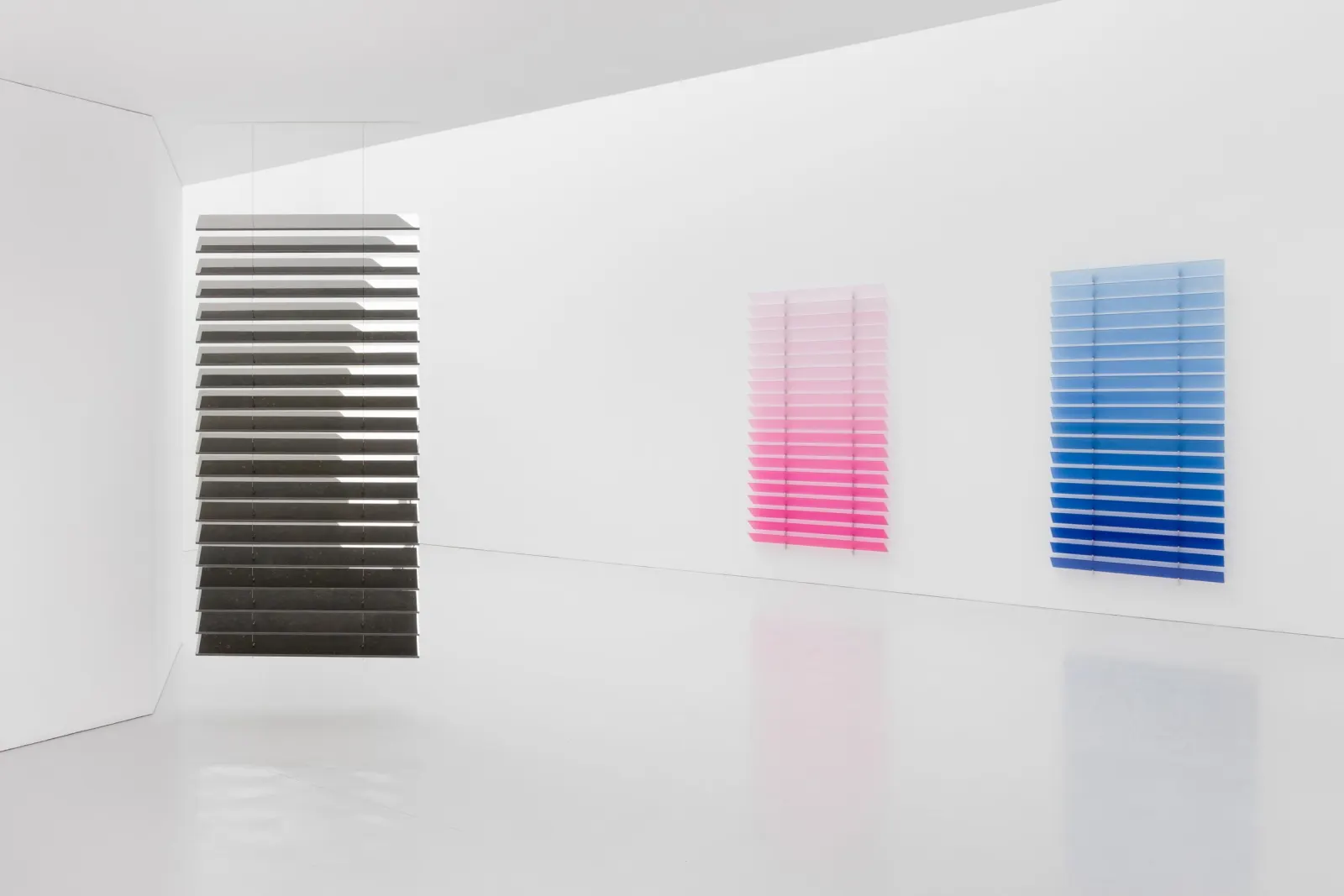
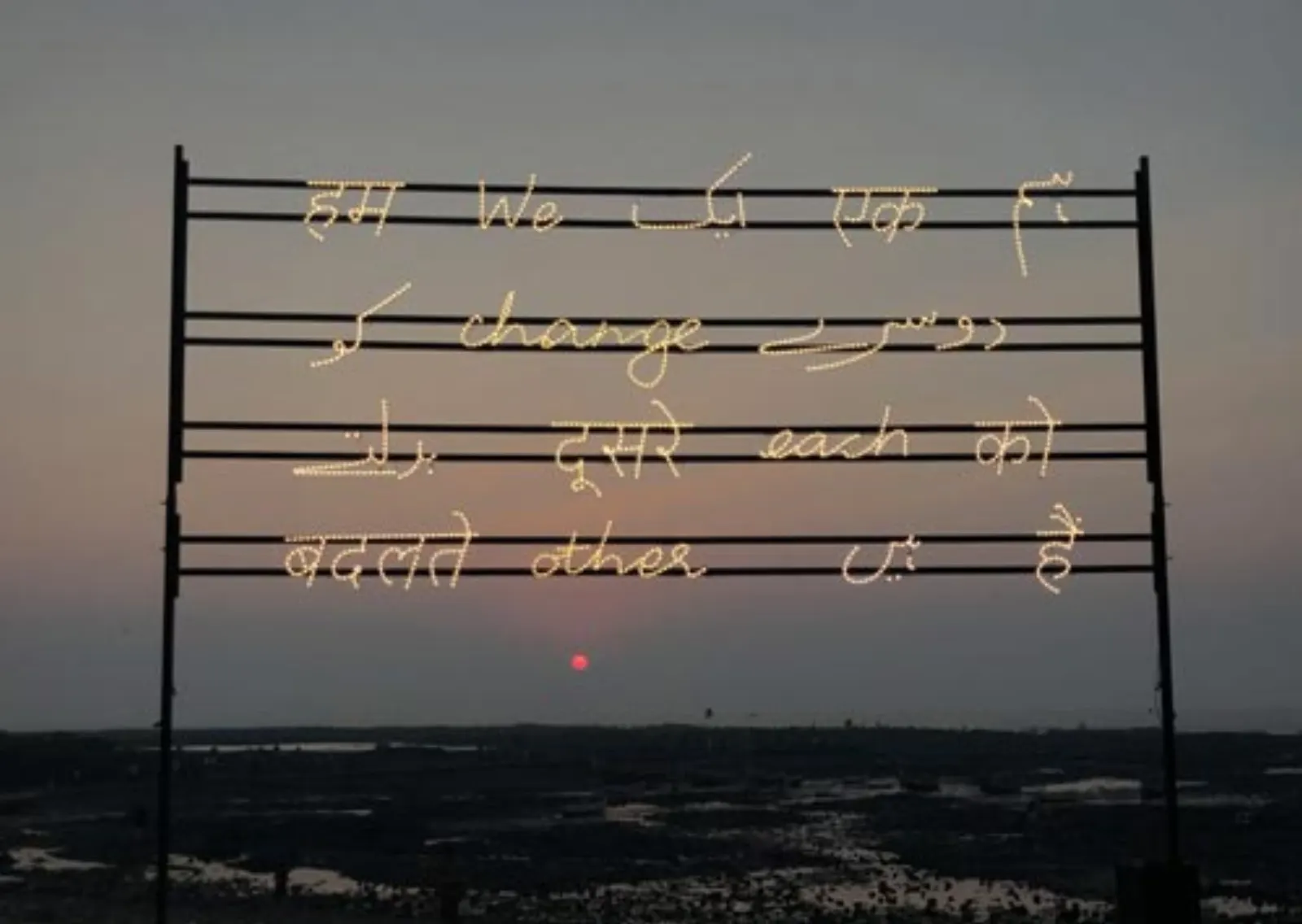
Start with the Contact page, CV or gallery named by the artist. Rana Begum publishes a studio channel; Shilpa Gupta uses an official form; Kapwani Kiwanga enquiries go through Goodman Gallery. The routes differ but can be verified.
Check the domain, recipient identity, sale terms and artwork archive. Social media can help discover a series, but purchase confirmation should come from a traceable channel.
Twenty mid-career artists, twenty entry points
Rana Begum works between light, colour and relief; Shilpa Gupta moves through drawing, photography, sound and installation; Kapwani Kiwanga develops sculpture and textiles around history and power; Marinella Senatore opens art to participation. Ask for works on paper, editions and available formats; prices change by series and gallery.
Idris Khan layers writing, music and images; Chiharu Shiota builds installations and drawings around memory; Otobong Nkanga joins matter, ecology and history; Julie Cockburn transforms found photographs with embroidery and paint. Ask for the entry level without confusing it with an installation.
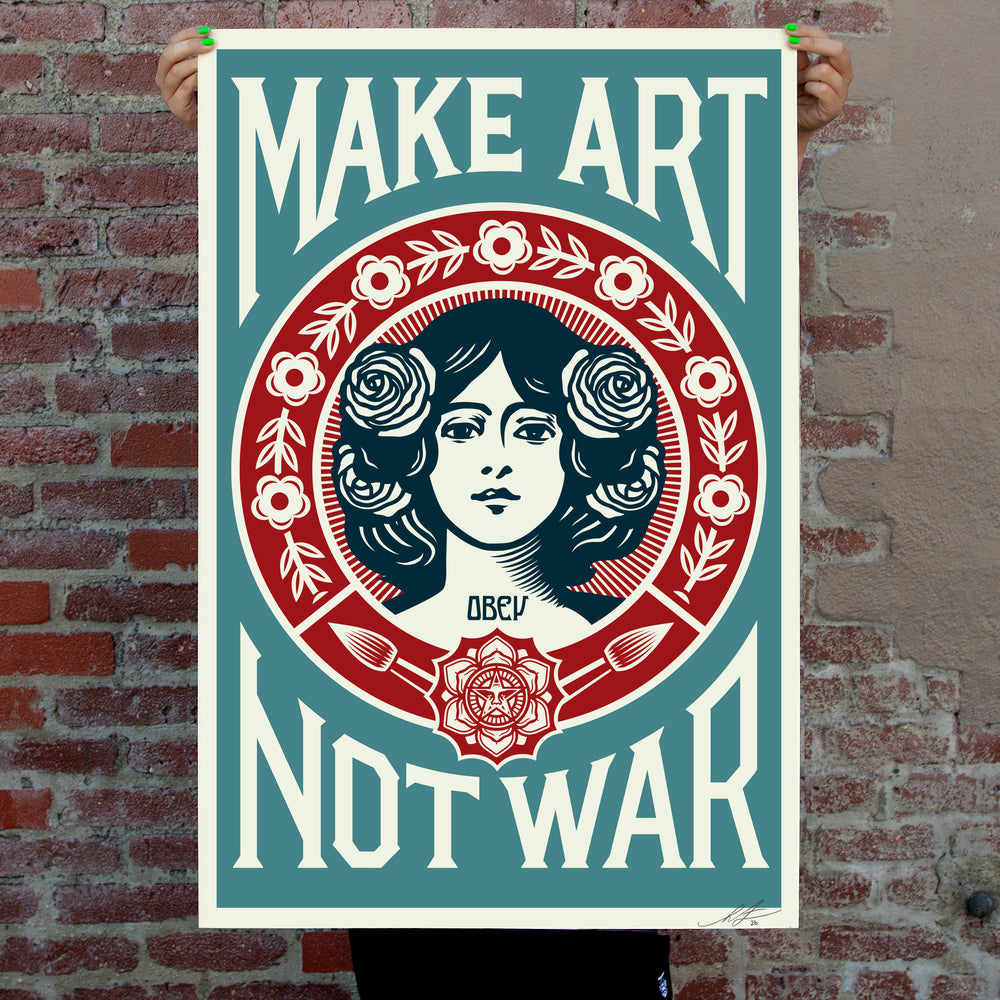
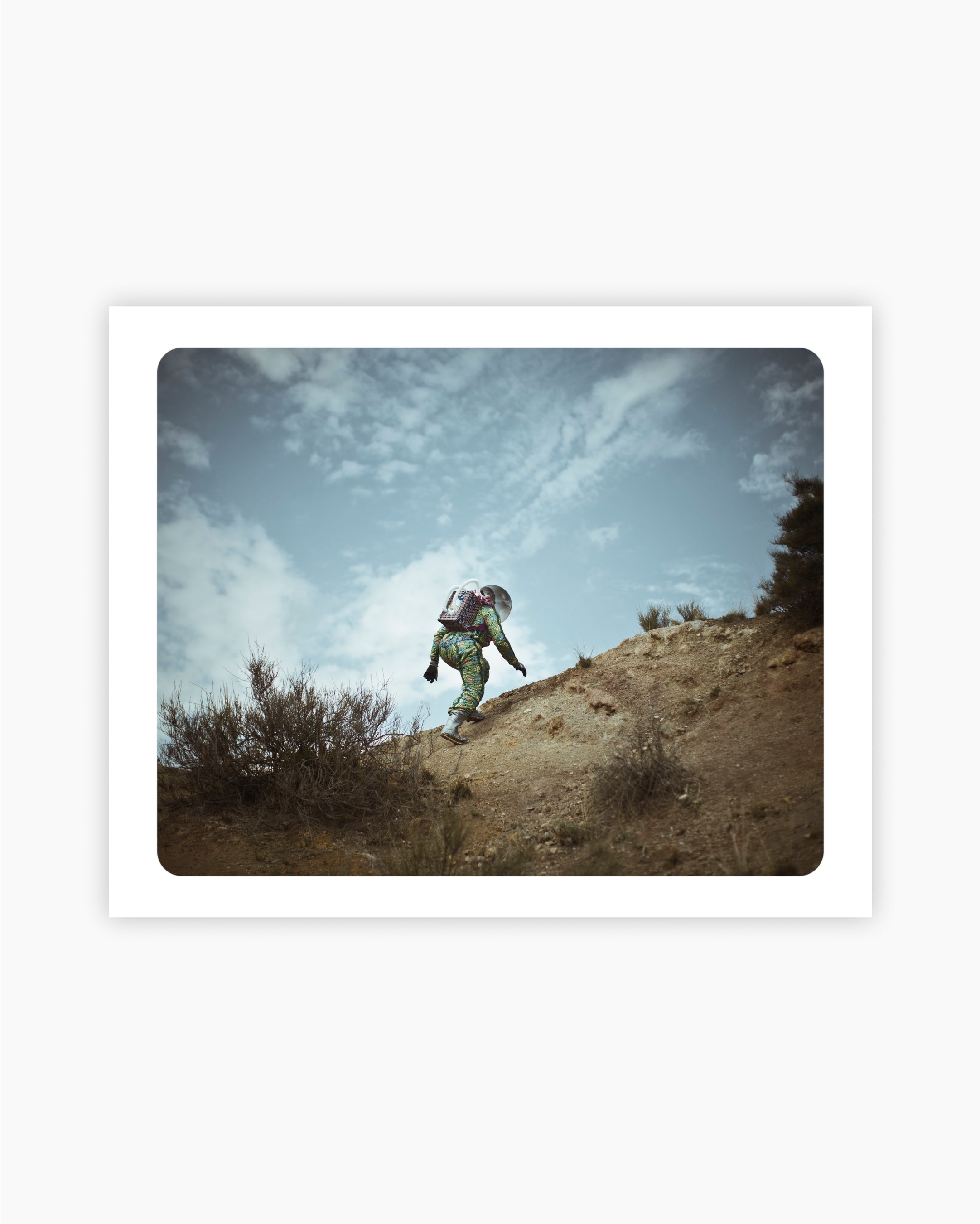
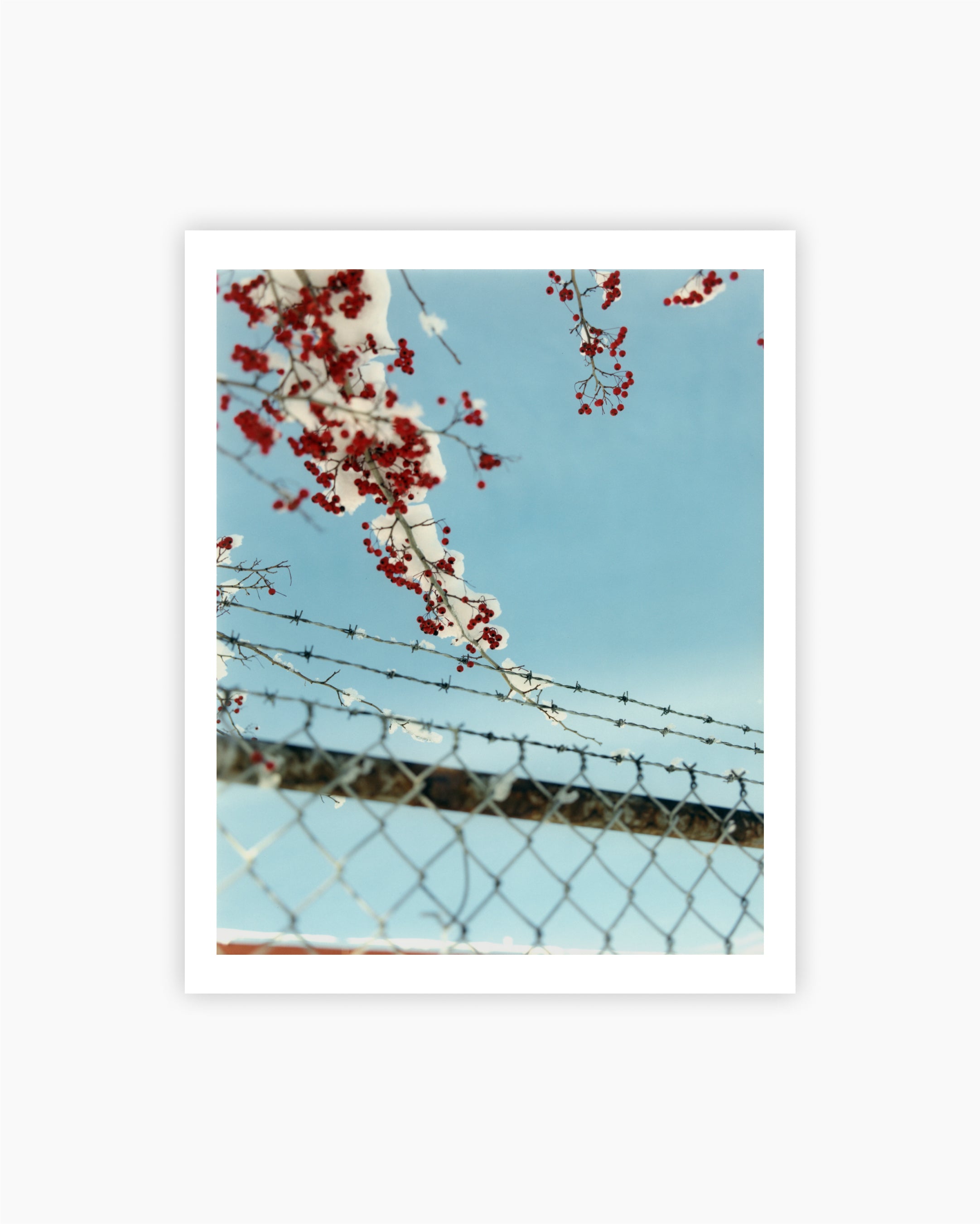
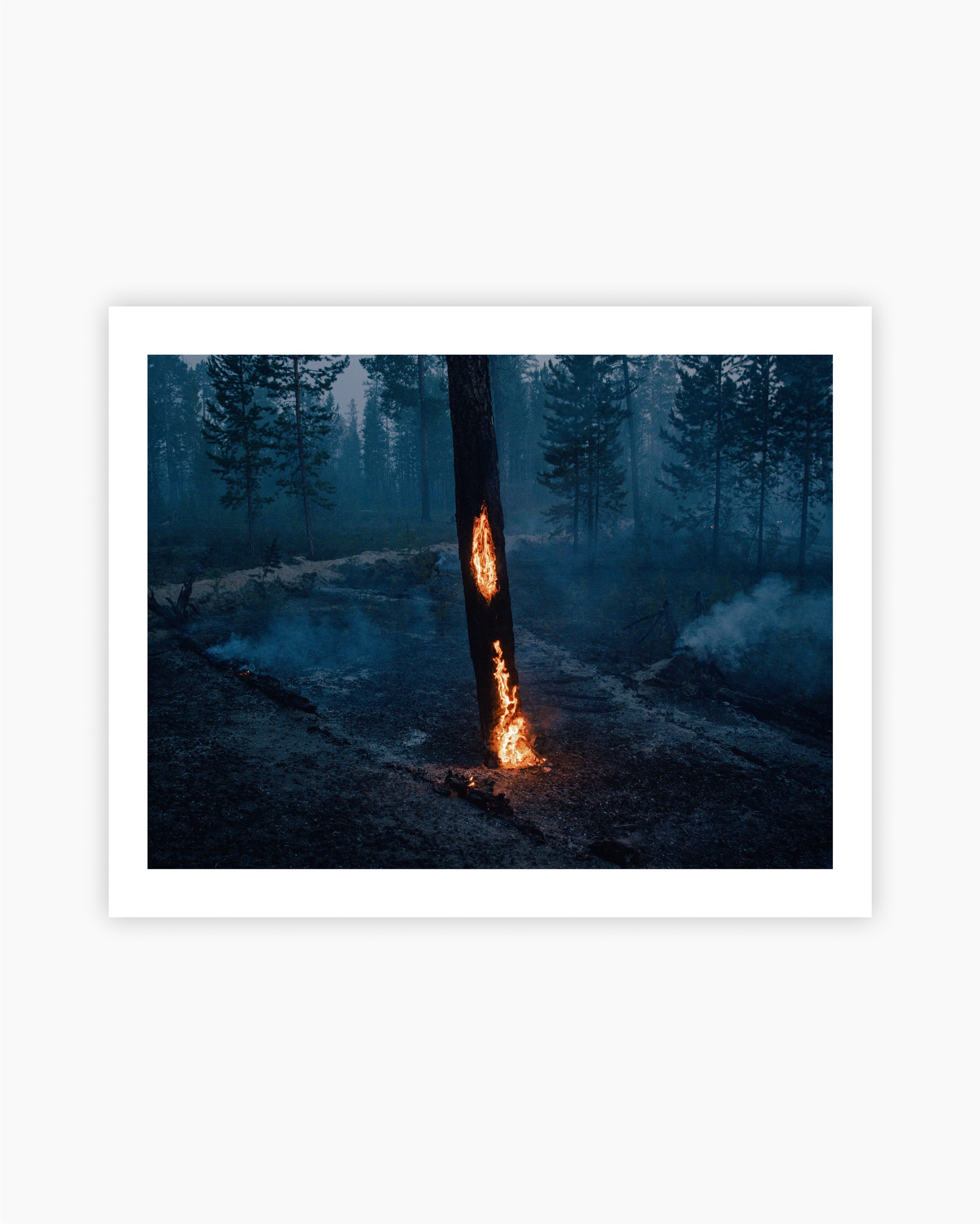
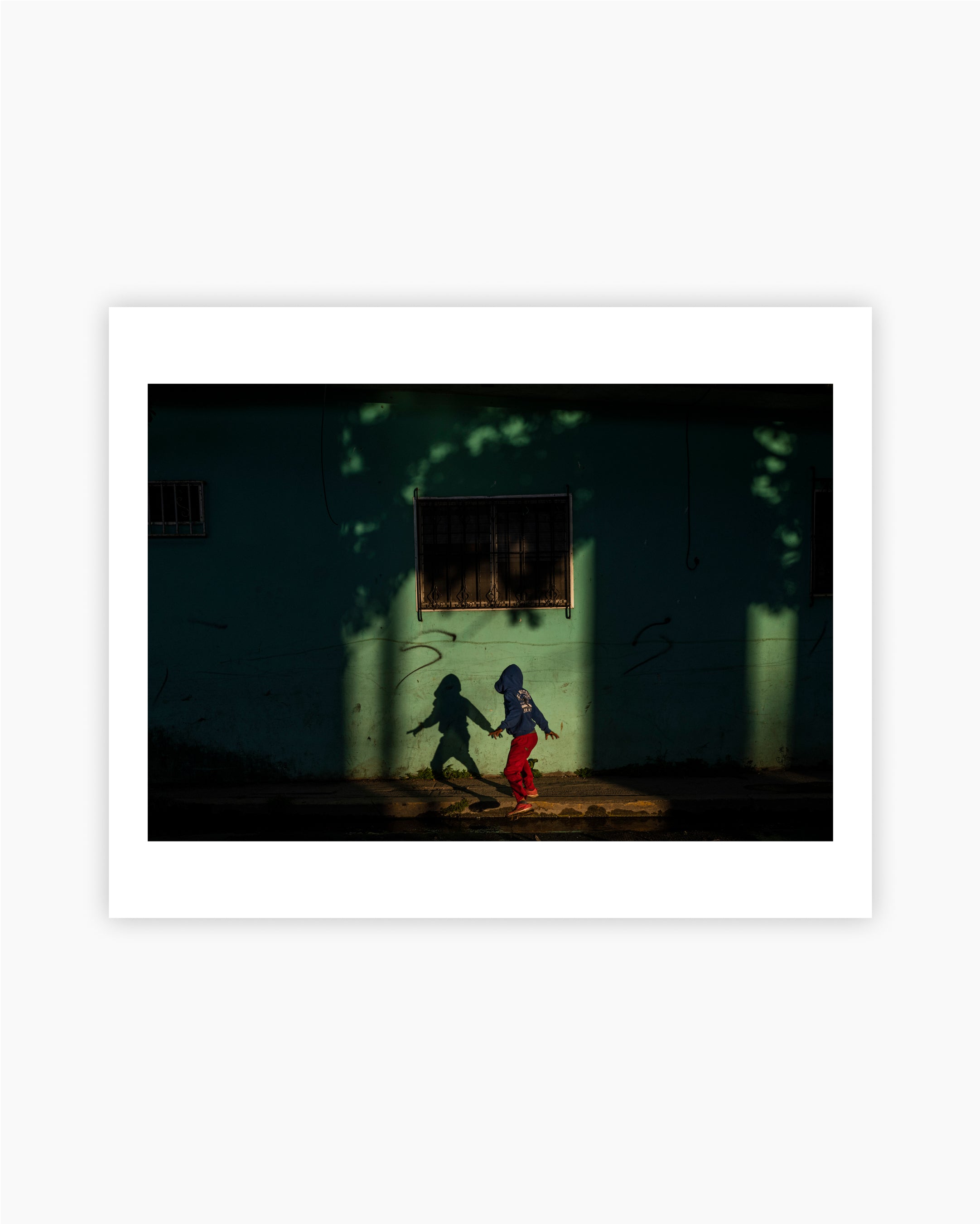
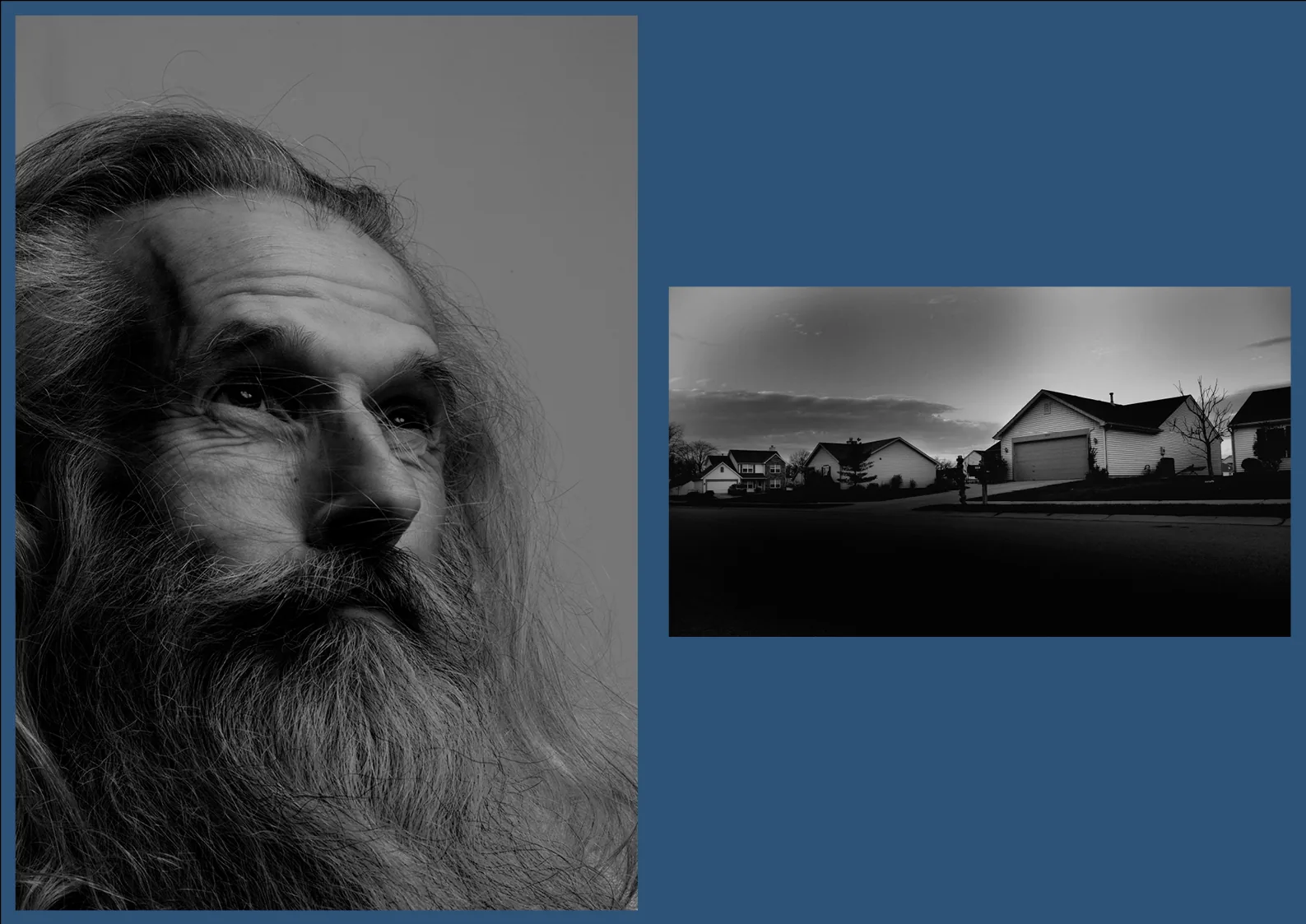
David Shrigley uses drawing, text and print; Shepard Fairey works between posters, screenprints and public art; Cristina de Middel and Gregory Halpern offer photographs and editions through Magnum; Nanna Heitmann and Yael Martínez bring environment and memory into photographic formats. Public edition prices are examples, not a universal list.
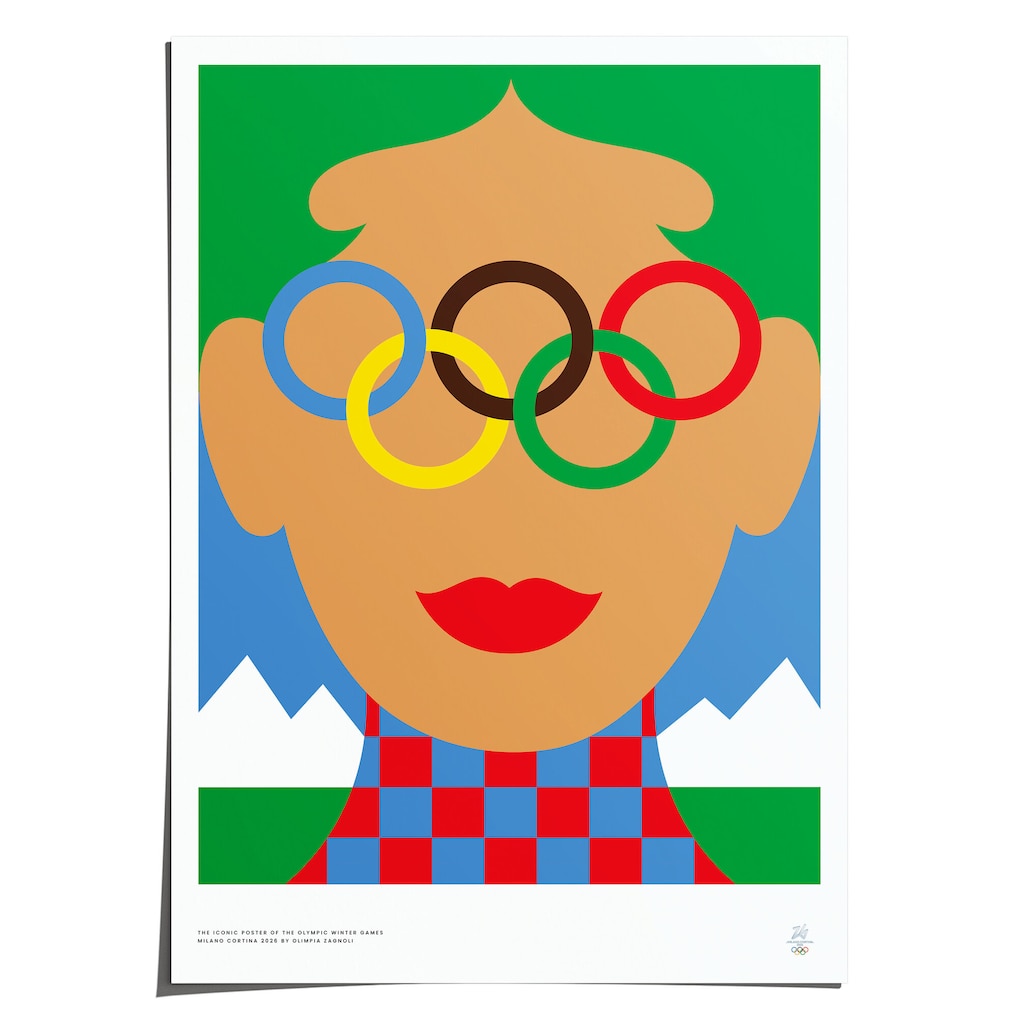
Edson Luli works with light, video and installation; Daniel González with sequins, Mylar and temporary architecture; Olimpia Zagnoli moves from illustration to posters and objects; Elena Ketra uses performance, photography and sculpture to discuss the body. Start by asking for editions, works on paper and small formats.
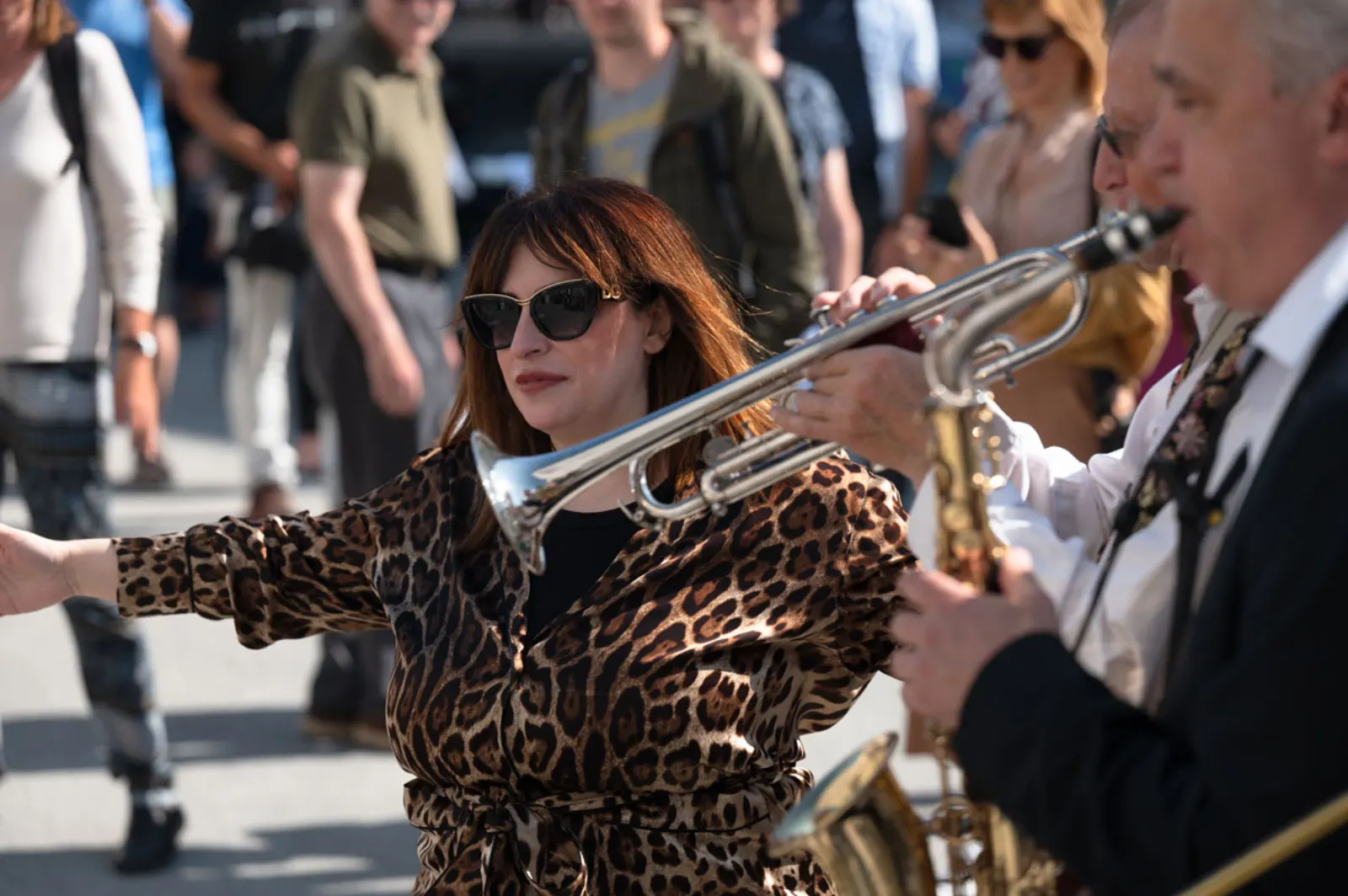
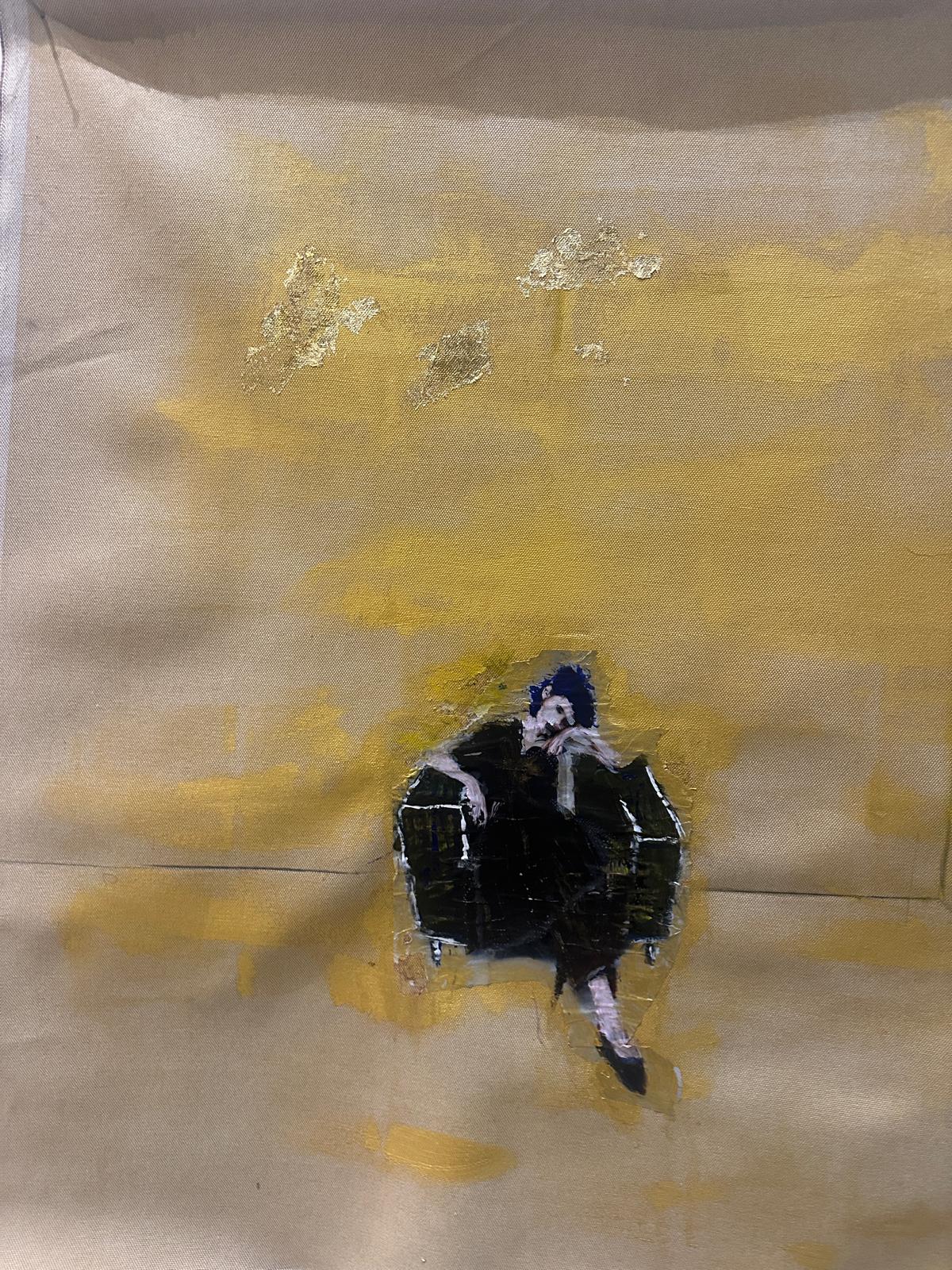
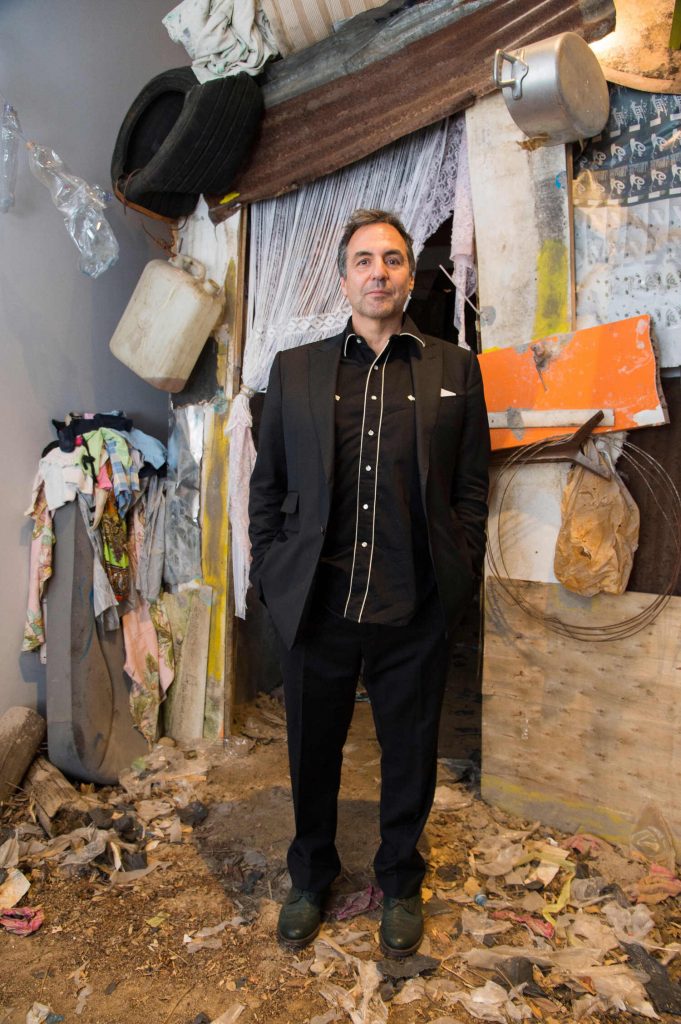
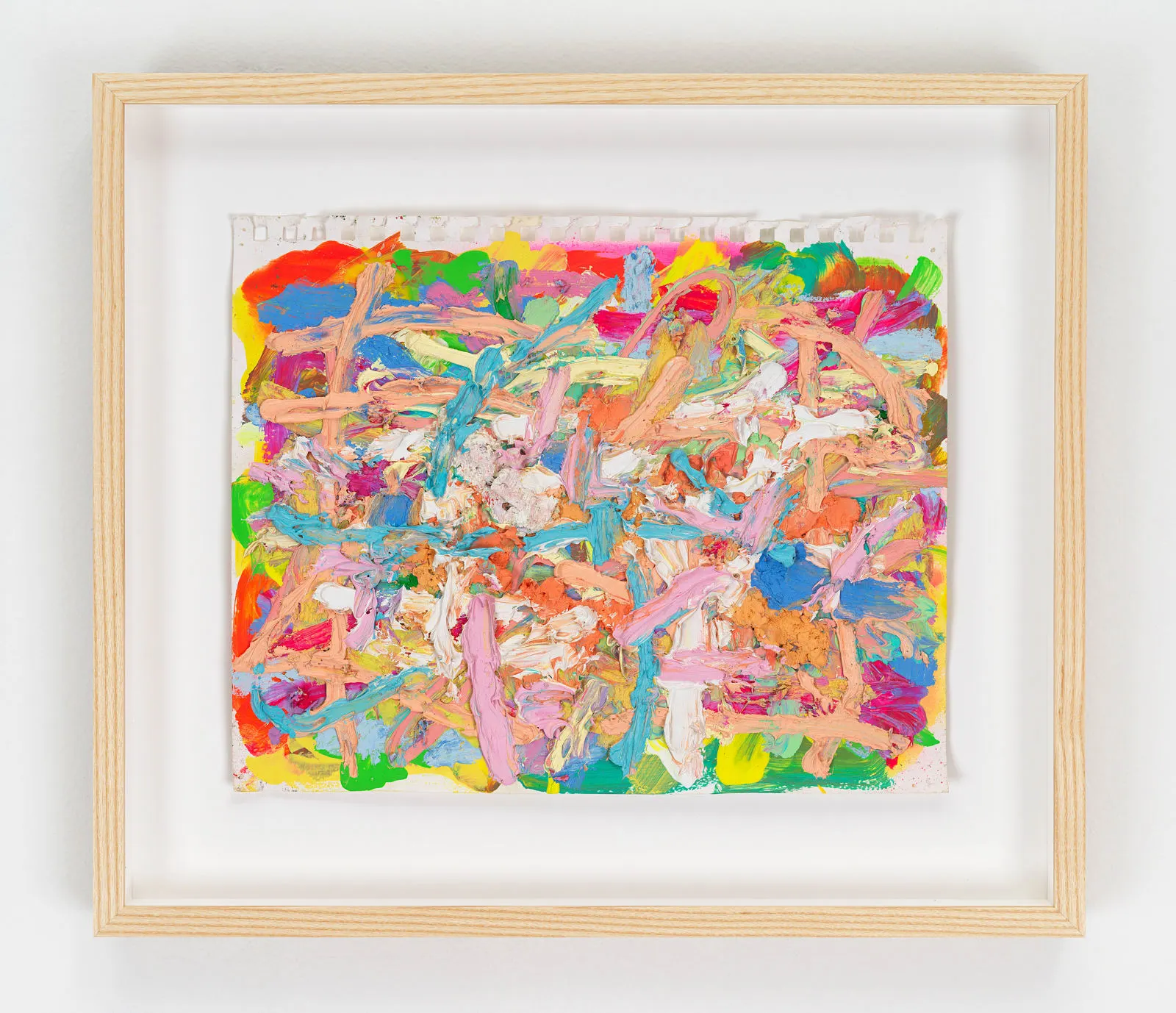
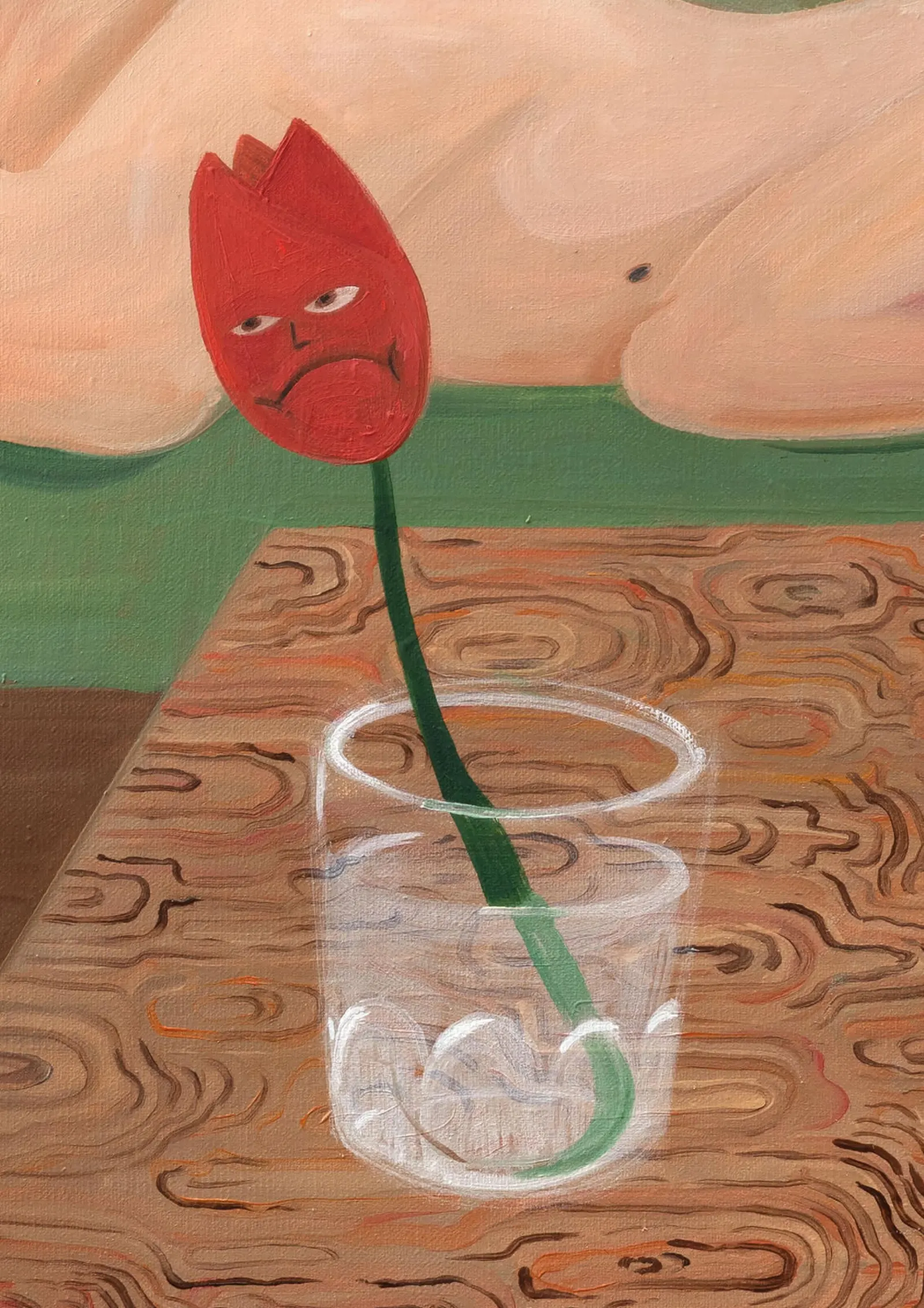
Marco Réa brings stencil and line into the urban portrait; Patrick Alston works on paper and canvas with an abstract gesture; Mara Faúndez builds intimate, material scenes. Massimo Scognamiglio has worked since 1998 across painting, photography and digital image; his biography and press page document the practice. Ask the studio for a complete quote rather than inferring a price from an online image.
Budget: unique work, photograph, edition or commission
A first quote should distinguish four objects. A unique work has one example; a photograph may belong to an edition; a multiple is produced in a defined number; a commission begins with a brief and has timelines, revisions and rights. “Print” and “poster” do not describe an object completely.
For an initial €1,500–5,000 budget, ask for three levels: works on paper or photographs, numbered editions and small unique works. Add shipping, framing, VAT, insurance and packing. A social post is not a final price or proof of availability.
The first email: short, specific and respectful
Say who you are, where you saw the work, which series interests you, what space you have and your total budget. Ask for two or three proposals, not an endless catalogue. If a gallery handles sales, ask to be connected to the right person.
Useful questions: Is the work available? Is it unique or editioned? What are the medium, dimensions and year? What is the complete price including VAT and shipping? Is there a certificate? How will it be packed? What delivery and return terms apply?

Documents, provenance and rights
Before paying, keep the technical sheet, invoice, certificate or authenticity letter, front and back images, condition report, provenance and correspondence. For digital or installation work add master files, reinstallation instructions, replaceable hardware and activation rights.
Ownership is not the same as reproduction rights. Ask separately what uses are allowed for a photograph, video or commission. For international purchases check VAT, duties, currency, insurance and responsibility until delivery.

Build a relationship without random discount requests
Direct relationships work when the collector brings questions and the artist can answer with information. Following a series, visiting a studio or buying a small work before a large one can build trust without turning every meeting into a negotiation.
Instead of an arbitrary discount, ask for a coherent format, an agreed instalment plan, framing or combined delivery. The price should remain legible for the buyer and for future provenance.
A three-step micro-collection
Choose a question: body and identity, light and space, or memory and territory. Compare three languages and three price levels. Buy one first work, document it and let it guide the next decision.
A nucleus might bring together a Cristina de Middel photograph, a Patrick Alston work on paper and a Massimo Scognamiglio painting; or Marinella Senatore, Kapwani Kiwanga and Marco Réa. Coherence comes from questions, not visual similarity.
Checklist before the bank transfer
Verified name and contact; title, year, medium and dimensions; unique or editioned status; signature, stamp and certificate; condition; provenance; full price and taxes; insured transport; return rights where applicable; care and installation instructions; image rights; bank details in the correct name.
After purchase, record everything in an inventory with photographs, invoices, certificates, location and insurance value. Direct contact creates long-term value only when a relationship becomes documentation.
Conclusion: direct access, public method
Buying directly lets you see how a work is made and support a practice before the market simplifies it. It does not mean buying blindly or skipping professional knowledge: contact is a first level of due diligence.
The strongest choice remains interesting without a promise of return: a documented work, an artist followed over time, a sustainable budget and a transparent relationship.
Works and visual paths



Sources and further reading
Sources allow readers to verify and explore. Official artist links are part of the feature, not an appendix.
- Artsy · buying art online and communicating with galleries ↗
- Art Basel · building and documenting a collection ↗
- Christie’s · buying guide and financial information ↗
- Rana Begum · official contact ↗
- Shilpa Gupta · official contact ↗
- Kapwani Kiwanga · Goodman Gallery enquiries ↗
- Marinella Senatore · official website ↗
- Idris Khan · official website ↗
- Chiharu Shiota · official website ↗
- Otobong Nkanga · official website ↗
- Julie Cockburn · official website ↗
- David Shrigley · official website and shop ↗
- Shepard Fairey · OBEY GIANT ↗
- Magnum Editions · photographers and specifications ↗
- Edson Luli · Prometeo Gallery ↗
- Daniel González · Paratissima ↗
- Olimpia Zagnoli · official website ↗
- Elena Ketra · official website ↗
- Marco Réa · Street Levels Gallery ↗
- Patrick Alston · Jenkins Johnson Gallery ↗
- Mara Faúndez · Isabel Croxatto Galería ↗
- Massimo Scognamiglio · biography ↗
- Massimo Scognamiglio · press and recognition ↗
- PagoSì · Massimo Scognamiglio ↗
- Library of Congress · caring for photographs ↗
 ADV
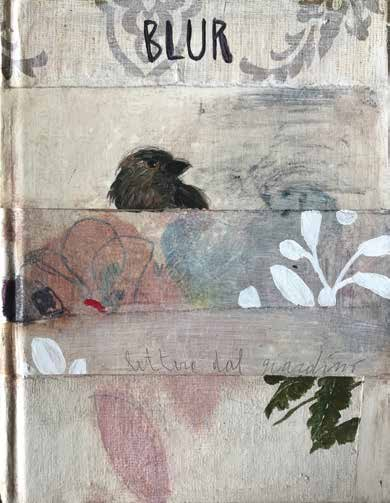
ADVAcquistare Arte recommends: Resin-sealed books, words and layered images turn melancholy into a material narrative.
Painting · memory · collage
Open profile ↗